

Walking is without doubt the most accessible and universal physical activity there is. It's suited to everyone, regardless of age, gender, or physical condition, from the youngest to the oldest, and even to people weakened by illness. It's a natural movement that requires no special equipment, making it a true medicine accessible to all.
What Moves and Activates in the Body
When we walk, it's the entire human machine that harmonizes gently.
The heart works more efficiently: your heart rate gradually increases, and the heart pumps more blood to deliver oxygen and nutrients to all the organs and muscles. This regular stimulation helps maintain the cardiovascular system and promotes better blood circulation.
Muscles wake up: every step engages the legs, glutes, abdominals, and even the back muscles. This activity helps preserve muscle mass, improves balance, and gradually strengthens the body.
Joints stay mobile: contrary to popular belief, appropriate walking is beneficial for the joints. The movement promotes natural lubrication of the cartilage through synovial fluid, which helps maintain their flexibility.
Breathing becomes more efficient: while walking, breathing naturally quickens, and the lungs take in more oxygen, which is then carried to every cell in the body. This improved oxygenation supports the proper functioning of tissues and the brain.
The brain releases feel-good molecules: physical activity stimulates the production of several natural substances, such as endorphins, dopamine, and serotonin. These molecules contribute to a sense of well-being, help reduce stress, and can improve mood in many people.
Blood sugar is better regulated: after a meal, walking for a few minutes helps the muscles use some of the glucose circulating in the blood as an energy source, which helps regulate blood sugar levels more effectively.
Digestion is made easier: a gentle walk after a meal gently stimulates the digestive system. For some people, this promotes intestinal transit and can reduce the feeling of heaviness.
Natural defenses are boosted: regular, moderate physical activity, such as walking, supports the proper functioning of the immune system and promotes better circulation of the cells involved in defending the body.
Sleep can improve: walking every day helps the body maintain a more regular biological rhythm. Many people notice they fall asleep more easily and enjoy better quality sleep when they practice regular physical activity.
"Scientific Evidence: What Research Says About Walking and Depression
To reassure our readers and provide a sense of seriousness and rigor from the outset, here are the main scientific references that validate the extraordinary impact of walking on mental health and depression:
Harvard's study on physical activity and reduced depression risk: a large study conducted by researchers at Harvard's T.H. Chan School of Public Health followed tens of thousands of people over several years. Their results, published in leading medical journals, showed that running or even simply walking briskly for about 150 minutes a week significantly reduces the risk of developing depression, proving that regular movement actively protects the brain.
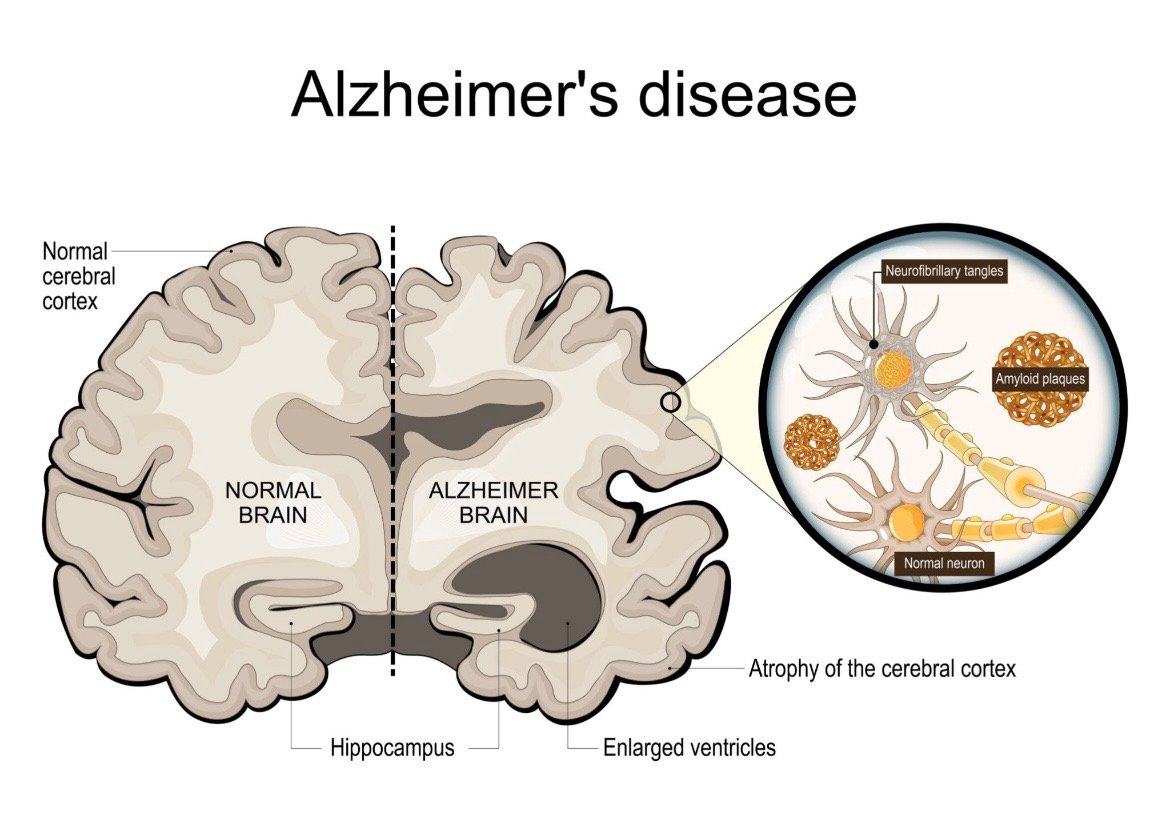
The regulation of neurotransmitters and brain plasticity: neuroscience research has shown that moderate aerobic exercise, such as walking outdoors, stimulates the production of brain growth factors (notably BDNF, Brain-Derived Neurotrophic Factor). This factor supports the repair and creation of new neurons in the hippocampus, a brain region often affected in people suffering from chronic depression.
How Long and How Often Should You Walk?
To make walking an effective and lasting form of care without straining the body, here are the recommended guidelines:
The beneficial minimum: starting with short 10 to 15-minute sessions each day is more than enough for people experiencing severe fatigue or depression. What matters most is building regularity without exhausting yourself.
The ideal goal: gradually working up to 30 minutes of walking a day (or per session), ideally 4 to 5 times a week, which allows you to reach the optimal threshold recommended for health (about 150 minutes a week).
Pace and limits: a moderate pace, where you can breathe comfortably while feeling your body come alive, is more than enough. There's no strict maximum as long as you listen to your own limits and don't feel excessive fatigue.
The Benefits of Walking for Depression
For people going through a period of depression or deep exhaustion, walking proves to be a precious ally. When you're at your lowest, energy runs short and the body freezes up. Simply putting one foot in front of the other helps break through both physical and mental inertia.
Walking outdoors, in full daylight, adds an extra benefit that's often underestimated. Sun exposure boosts vitamin D production and helps regulate our internal biological clock, which has a direct, calming effect on mood. This simple contact with natural light, combined with movement, acts as a true wake-up signal for both body and mind.
Finally, walking, especially outdoors, with the steady rhythm of your steps and the changing scenery, gives the brain a space to rest. This helps calm anxious rumination, break out of isolation, and gradually reconnect, step by step, with a sense of freedom and inner vitality.
July 25, 2026
Sarah Martinez
Related articles