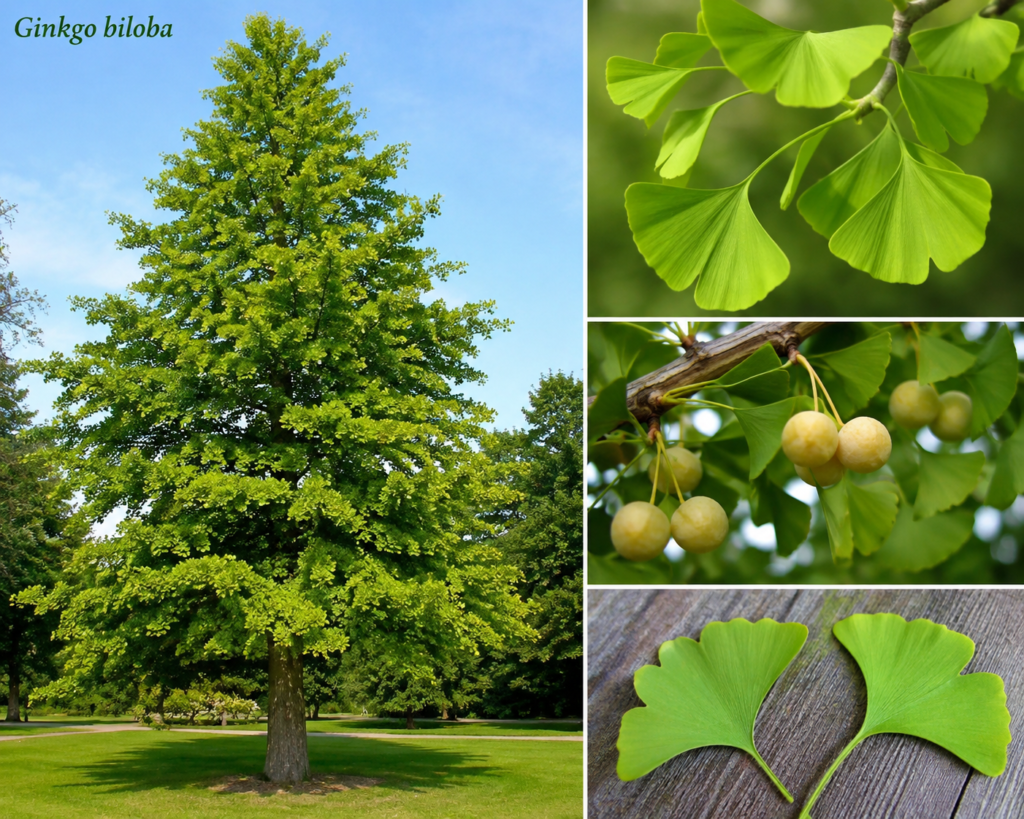
Considered one of the oldest trees on our planet, Ginkgo biloba spans eras and continents without ever losing its splendor. Nicknamed the maidenhair tree or the living fossil, this majestic plant native to Asia now captivates researchers worldwide for its exceptional neuroprotective properties.
While cognitive disorders and neurodegenerative conditions like Alzheimer's disease increasingly concern families, Ginkgo biloba stands out as a first-rate natural resource for preserving memory and supporting brain vitality at any age.
1. Origin, History, and Botany: Where Does This Legendary Tree Come From?
Ginkgo biloba is a true botanical curiosity whose history dates back over 200 million years,coexisting with the early dinosaurs.
A Millennial Asian Origin:
- The Mountains of China: Ginkgo biloba originated in the forests of eastern China. It is the sole surviving species of the Ginkgoaceae family, as all others have disappeared.
- Temple Tree and Symbol of Longevity: Revered in Traditional Chinese Medicine and planted by monks around Buddhist and Taoist temples in China, Japan, and Korea, it symbolizes resilience, regeneration, and long life. A striking example of its exceptional strength is that it was one of the few living organisms to survive and sprout again after the 1945 atomic bombing of Hiroshima.
- Worldwide Acclimatization: Introduced to Europe in the 18th century, it is now cultivated and admired in parks around the world for its fan-shaped leaves that turn a brilliant golden yellow in autumn.
2. Global Health Benefits of Ginkgo Biloba
In modern herbal medicine, the leaves of Ginkgo biloba are harvested and processed into standardized extracts rich in active compounds, notably flavonoids and terpenoids.
A Shield for the Body:
- Improvement of Blood Circulation: It dilates blood vessels and reduces blood viscosity, promoting better irrigation of all organs, including the extremities (cold hands and feet) and the brain.
- Powerful Antioxidant Properties: Its compounds neutralize excess free radicals, protecting cell membranes against premature aging and damage from environmental pollutants.
- Auditory and Visual Support: By stimulating ocular and auditory microcirculation, it is often recommended to reduce vascular-related tinnitus and preserve retinal health.
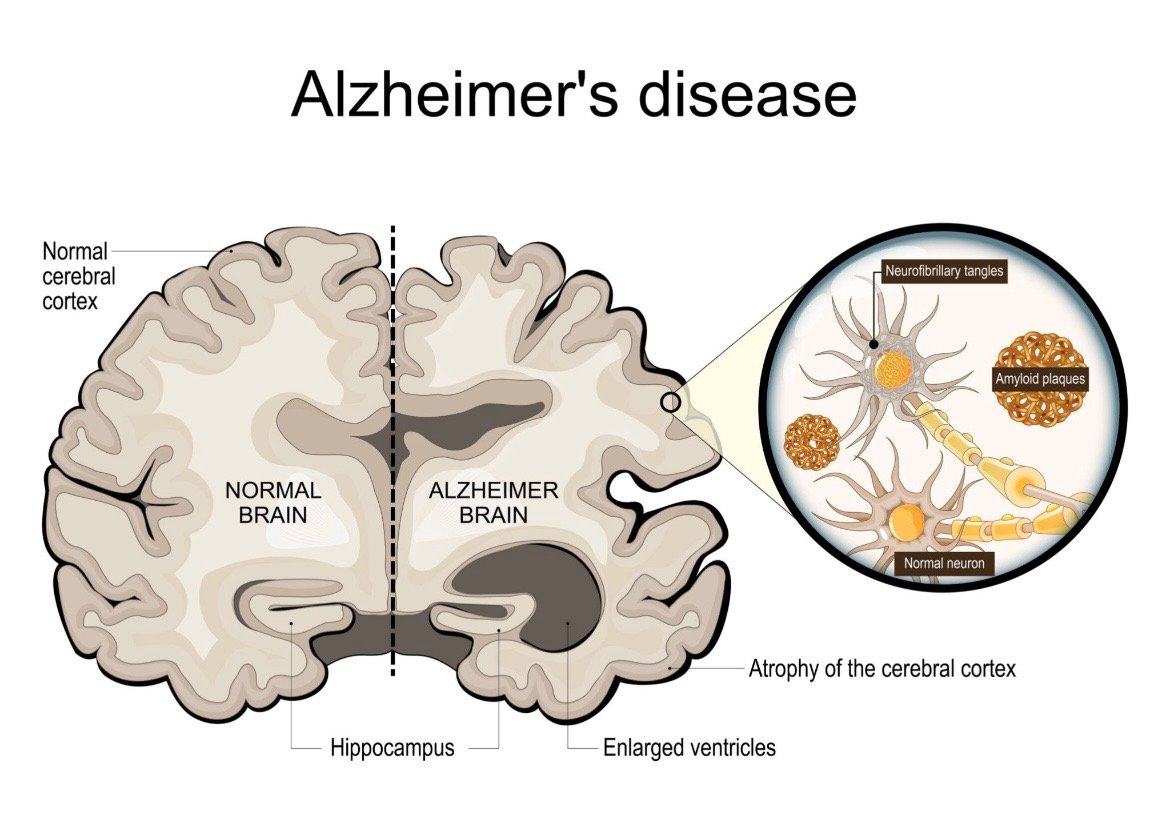
3. Major Focus: Why Is Ginkgo Biloba Favored Against Alzheimer's Disease?
It is in the domain of neuroprotection and support against Alzheimer's disease that Ginkgo biloba generates the greatest scientific and medical interest.
Targeted Mechanisms of Action on the Brain:
- Optimization of Cerebral Oxygenation: By improving blood flow in the brain's microvessels, Ginkgo ensures a steady supply of oxygen and glucose, the two essential fuels for neurons.
- Inhibition of Beta-Amyloid Plaque Aggregation: Research shows that Ginkgo's active molecules help slow the formation of amyloid plaques, one of the primary biological markers of Alzheimer's disease.
- Protection Against Neuronal Oxidative Stress: The brain is particularly vulnerable to oxidation. Ginkgo protects mitochondria—the powerhouses of nerve cells—and limits the premature death of neurons.
- Neurotransmitter Support: It promotes the maintenance of adequate levels of acetylcholine, a key neurotransmitter directly involved in memory, concentration, and learning, which is often severely depleted in people with Alzheimer's.
Why Is It a Preferred Choice for Prevention? Many individuals and practitioners favor Ginkgo biloba before the onset of major cognitive impairment because it acts simultaneously on the structure of the vascular system and the protection of nerve cells, thus offering a comprehensive approach to preserving autonomy and mental clarity.
4. Precautions for Use and When to Consult a Doctor?
Even though it is a natural solution, Ginkgo biloba contains powerful active substances that require supervised use.
Drug Interactions and Golden Rules:
- Due to its blood-thinning effect, Ginkgo biloba is not recommended for people taking anticoagulant or antiplatelet treatments, as well as prior to surgery.
- Essential Medical Supervision: Any approach aimed at supporting cognitive decline or Alzheimer's disease must be carried out in consultation with an attending physician or a neurologist.
- Pregnant and Breastfeeding Women: As a precautionary measure, the use of Ginkgo is not recommended for them.
Practical Guide: Key Rules for Properly Using Ginkgo Biloba
- Opt for Standardized Extracts: To benefit from the effects documented by clinical studies, choose standardized extracts—often designated under the EGb 761 standard—which guarantee the proper concentration of flavonoids and ginkgolides.
- Commit to a Regular Course: The effects on memory and microcirculation are generally observed after 4 to 8 weeks of continuous use.
- Combine Ginkgo with a Healthy Lifestyle: Ginkgo's action is magnified when combined with restful sleep, a Mediterranean diet, and regular physical activity.
Scientific Sources
- Hashiguchi, M., et al. (2015). Meta-analysis of the efficacy and safety of Ginkgo biloba extract for the treatment of dementia. Journal of Pharmaceutical Health Care and Sciences, 1(1), 14.
- Yuan, Q., et al. (2017). Effects of Ginkgo biloba extract EGb 761 on cognitive function and clinical global impression in patients with mild cognitive impairment: A systematic review and meta-analysis. BioScience Trends, 11(4), 401–409.
- DeFeudis, F. V. (2002). Ginkgo biloba extract (EGb 761): Loss of neurons, apoptosis, and Alzheimer’s disease. Drug Development Research, 57(1), 1–16.
- Singh, S. K., et al. (2019). Neuroprotective potential of Ginkgo biloba in neurodegenerative disorders: A review. Phytotherapy Research, 33(8), 1987–2003.
August 10, 2026
Sarah Martinez
Related articles