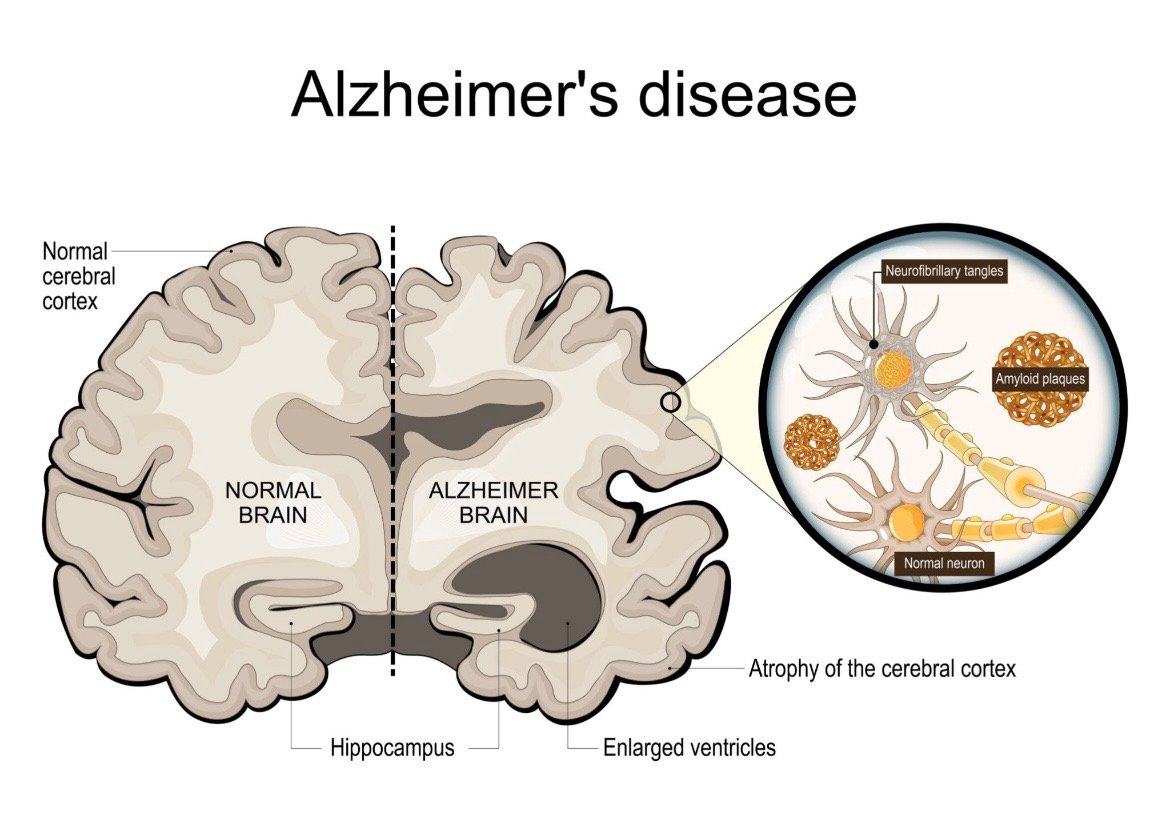
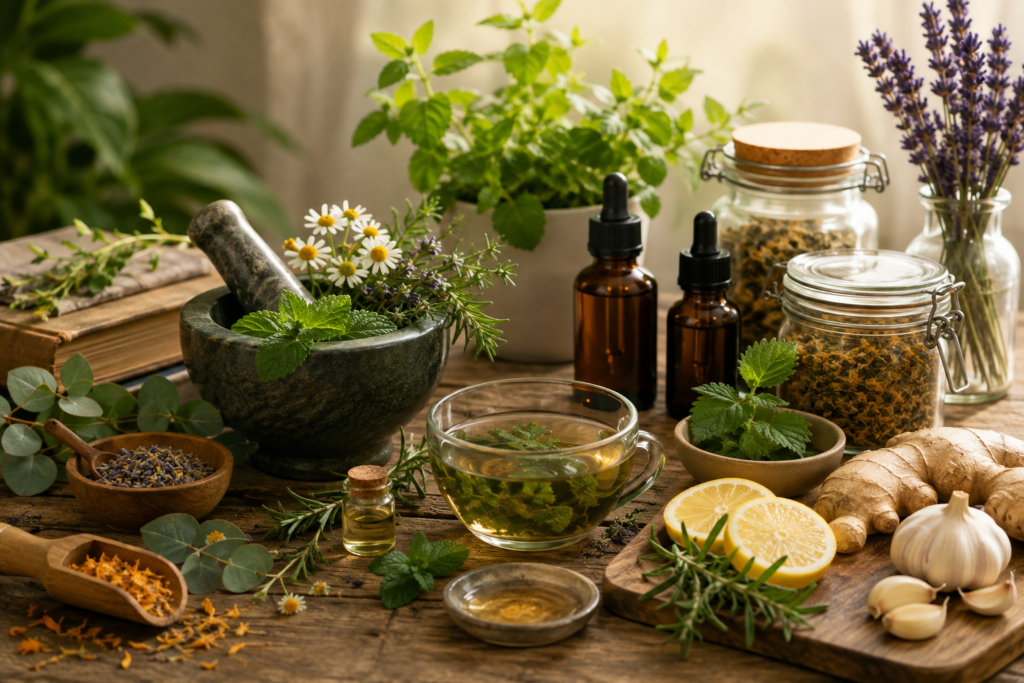
Across ages and continents, major medical traditions have sought natural ways to preserve memory, protect the mind, and support the brain against aging. As neurodegenerative diseases like Alzheimer's represent a major global challenge, modern research is beginning to scientifically validate what traditional medicines have practiced for centuries: the use of ingredients rich in antioxidants, anti-inflammatory molecules, and vascular protective agents.
From Asia to Africa, through the Mediterranean basin and Europe, let us discover these ancestral preparations dedicated to brain vitality.
1. India & Ayurveda: Golden Milk with Bacopa (Medhya Rasayana)
In Ayurvedic medicine, plants intended to regenerate the mind and boost memory belong to the Medhya Rasayana class. Bacopa monnieri holds a central place among them.
The Recipe: Restorative Golden Milk
- Ingredients: 250 ml plant milk (almond or oat), 1/2 tsp Bacopa powder, 1/2 tsp turmeric powder, 1 tsp Ghee (clarified butter) or coconut oil, 1 pinch of black pepper.
- Preparation: Heat the milk over low heat with the turmeric, bacopa, healthy fat, and pepper for 5 minutes without boiling. Drink warm.
Why It Works
- Optimal Absorption: The active molecules of turmeric (curcumin) and bacopa (bacosides) are fat-soluble. The presence of healthy fat (Ghee) and piperine from black pepper is essential to help them cross the intestinal and blood-brain barriers.
- Synaptic Action: Bacopa helps repair damaged neurons and promotes nerve signal transmission, while turmeric reduces brain inflammation.
2. China & East Asia: Tonic Broth with Lion’s Mane and Goji Berries
Traditional Chinese Medicine (TCM) seeks to nourish the "Sea of Marrow" (the brain) by supporting the vital energy (Jing) of the Shen and Kidneys.
The Recipe: Neuroprotective Broth
- Ingredients: 100 g fresh or rehydrated Lion’s Mane mushroom (Hericium erinaceus), 1 handful of Goji berries, 1 small piece of Ginseng root, 1 liter vegetable broth.
- Preparation: Simmer everything over very low heat for 1 hour. Strain or consume with the mushroom pieces.
Why It Works
- Neuronal Regeneration: Lion’s Mane contains hericenones and erinacines, molecules capable of stimulating the synthesis of Nerve Growth Factor (NGF), a protein essential for neuron survival and growth.
- Protection Against Oxidative Stress: Goji berries provide zeaxanthins and polysaccharides that protect brain cell structures from premature aging.
3. Sub-Saharan Africa: Vitalizing Moringa & Baobab Decoction
West African phytotherapeutic traditions rely on superfoods of exceptional nutritional density to preserve the vigor of elders.
The Recipe: Longevity Drink
- Ingredients: 1 tbsp Moringa leaf powder (Moringa oleifera), 1 tsp Baobab fruit pulp powder, 250 ml warm water, 1 tbsp raw honey.
- Preparation: Mix the powders into warm water until fully dissolved, then add the honey.
Why It Works
- Major Antioxidant Shield: Moringa is one of the plants richest in polyphenols and quercetin, two powerful antioxidants that fight against the breakdown of neuronal membranes.
- Vitamin C and Mineral Boost: Baobab pulp provides a massive dose of vitamin C, essential for protecting the brain against oxidative stress and supporting microcirculation.
4. Arab-Mediterranean World: Rosemary, Saffron & Black Seed Elixir
Inherited from the work of great physicians of the Arab world (such as Avicenna), the Mediterranean pharmacopeia values aromatic plants with high concentrations of essential oils.
The Recipe: Memory Infusion
- Ingredients: 1 sprig of fresh rosemary, 3 or 4 saffron threads, 1/2 tsp lightly crushed black seeds (Nigella sativa / Habba Sawda), 250 ml boiling water, 1 tsp honey.
- Preparation: Pour boiling water over the rosemary and black seeds. Cover immediately for 10 minutes (to retain volatile oils). Strain, then add the saffron threads and honey.
Why It Works
- Neurotransmitter Stimulation: Rosemary contains rosmarinic acid, which helps preserve acetylcholine levels in the brain—a key neurotransmitter for memory.
- Anti-Neuroinflammatory Action: Thymoquinone in black seeds and crocin in saffron act synergistically to slow down inflammatory processes in the nervous system.
5. Western & European Herbalism: Vascular Protective Tea
In Europe, traditional herbal medicine emphasizes blood circulation and the protection of cerebral micro-vessels.
The Recipe: Ginkgo & Lemon Balm Infusion
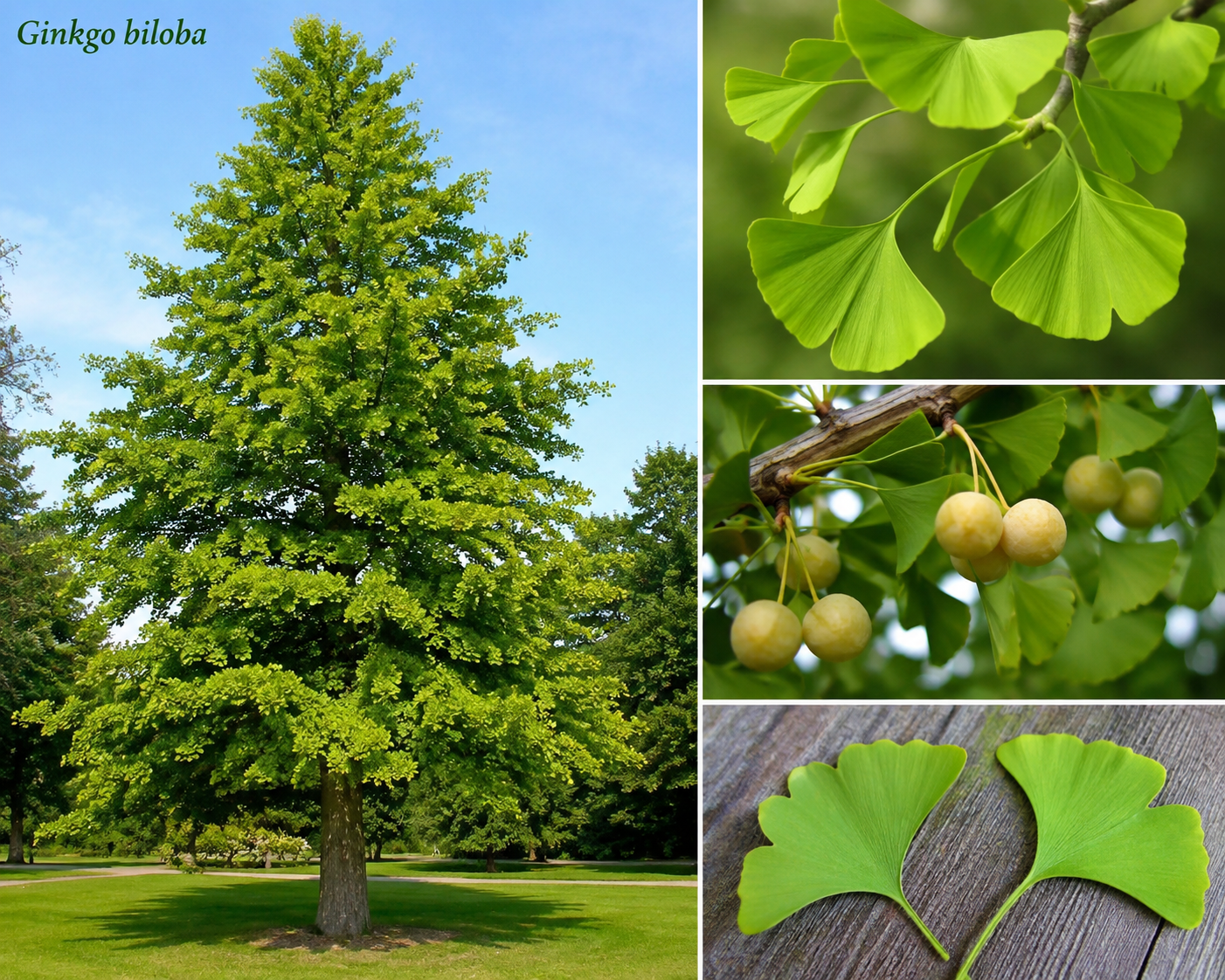
- Ingredients: 1 tbsp dried Ginkgo biloba leaves, 1 tbsp dried Lemon Balm leaves (Melissa officinalis), 250 ml water.
- Preparation: Steep the plants in hot water for 10 to 12 minutes, covered, then strain.
Why It Works
- Tissue Oxygenation: Ginkgo biloba promotes microcirculation and oxygen supply to cerebral capillaries.
- Cognitive Support and Calming Effect: Lemon balm helps reduce anxiety while slowing the breakdown of acetylcholine, thereby improving mental clarity.
Precautions and Medical Recommendations
Although these preparations stem from centuries-old traditions and are made of natural ingredients, they require caution:
- Drug Interactions: Plants such as Ginkgo biloba, Saffron, or high-dose Turmeric possess blood-thinning or interactive properties. If you are taking medical treatments (especially anticoagulants or antidepressants), consult a doctor before starting any course.
- Support, Not Substitution: These recipes are part of a preventive and global lifestyle approach (restful sleep, physical activity, balanced diet). They in no way replace specialized medical monitoring for a diagnosed pathology.
Practical Guide: 4 Key Habits to Integrate These Remedies Daily
- Prioritize Consistency: Opt for small daily cups or infusions over several weeks rather than occasional high doses.
- Always Add Healthy Fats for Spices: Turmeric and other active principles need lipids (oil, milk, ghee) to be properly absorbed by the body.
- Protect Volatile Oils: Always cover your cup while steeping aromatic plants (rosemary, lemon balm, mint) to prevent essential active compounds from evaporating.
- Vary Antioxidant Sources: Alternating between traditions provides the brain with a wide diversity of protective molecules.
Scientific Sources
Kulkarni, R., et al. (2012). Efficacy of Bacopa monnieri in revitalizing cognitive functions: A review. Annals of Neurosciences19(2), 78–83.
Mori, K., et al. (2009). Improving effects of the mushroom Yamabushitake (Hericium erinaceus) on mild cognitive impairment: A double-blind placebo-controlled clinical trial. Phytotherapy Research,23(3), 368–372.
Vergara-Jimenez, M., et al. (2017). Bioactive components in Moringa oleifera leaves protect against chronic disease. Antioxidants, 6(4), 91.
Kou, X., et al. (2018). Rosmarinic acid suppresses neuroinflammation and oxidative stress in Alzheimer's disease models. Biomedicine & Pharmacotherapy,103, 1473–1481.
Hashiguchi, M., et al. (2015). Meta-analysis of the efficacy and safety of Ginkgo biloba extract for the treatment of dementia. Journal of Pharmaceutical Health Care and Sciences, 1(1), 14.
August 10, 2026
Sarah Martinez
À decouvrir également