
When we hear the word 'fasting,' the first image that comes to mind is often one of deprivation. Not eating for hours? Many people find this impossible, if not distressing. We imagine fatigue, withdrawal, and frustration.
But fasting is much more than that. It is an ancestral practice present in all major traditions (the Muslim Ramadan, the Christian Lent, and Hindu fasting), and today it is praised by modern science for its profound health benefits.
So, what really happens in our body when we stop eating? Why is it so beneficial?
What Happens in the Body During Fasting
As soon as we stop eating, our body begins a fascinating process of cleaning and repair.
1. The first hours (4 to 12 hours): The body uses its reserves. It draws on the glucose stored in the liver to keep functioning. This is the phase where you might feel a little hungry, especially if you are used to snacking. But it is a normal signal, not a danger.
2. The transition phase (12 to 18 hours): The body switches fuel. Once sugar reserves are depleted, the body starts drawing from stored fat to produce energy. This is what we call ketosis. It is a 'cleansing' phase, during which the body begins to eliminate toxins.
3. The regeneration phase (from 18 to 24 hours onwards): The major cellular cleanup. This is the most powerful moment. The body activates a process called autophagy (literally 'self-eating'). This mechanism, discovered by scientist Yoshinori Ohsumi (2016 Nobel Prize in Medicine), allows cells to recycle their defective components, get rid of accumulated waste, and regenerate. It is a true 'spring cleaning' at a microscopic level.
Dr. Valter Longo, a renowned researcher, has demonstrated that this process can slow down aging, reduce inflammation, and strengthen the immune system.
The Concrete Benefits of Fasting
Scientific studies and testimonials converge. Fasting can:
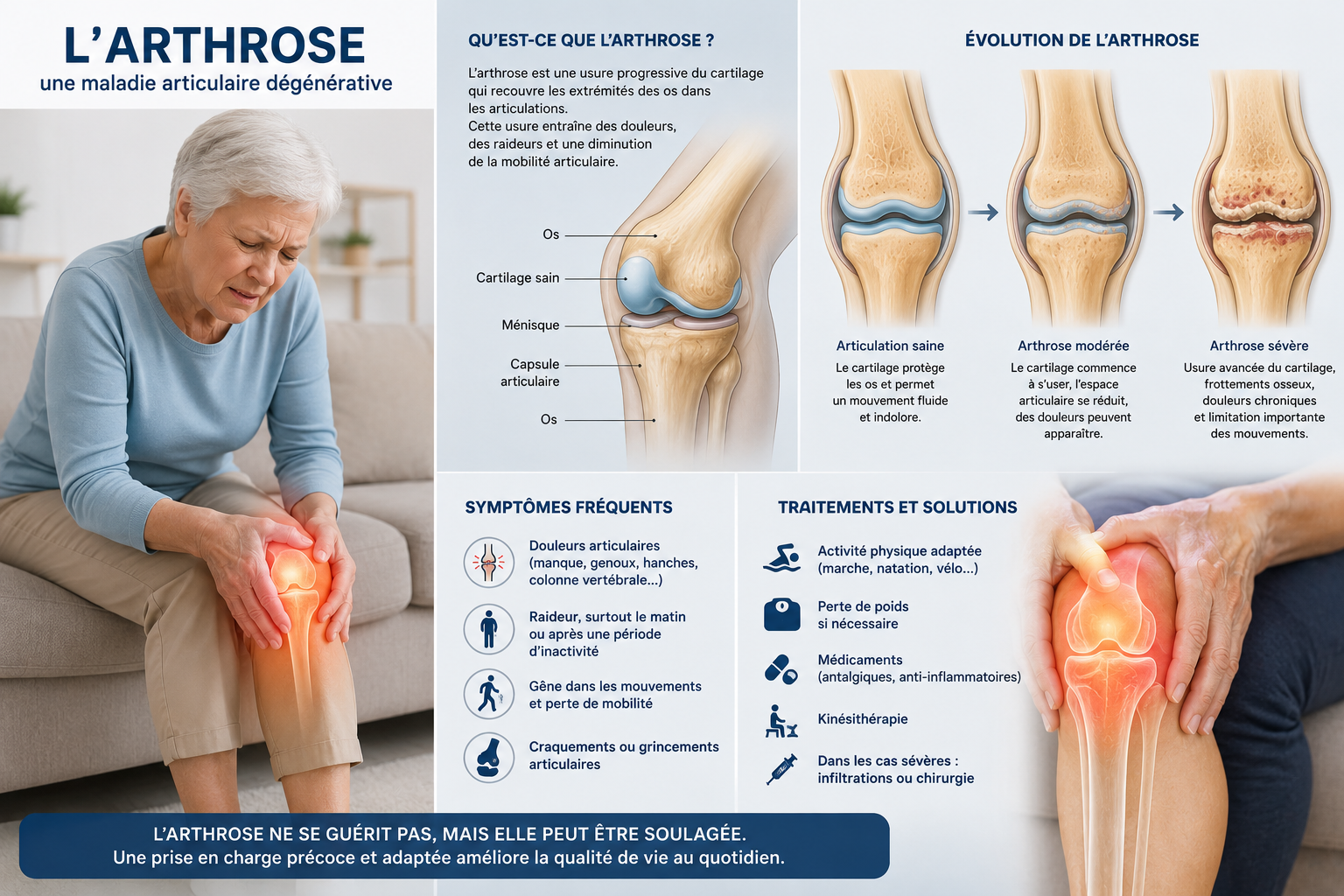
• Reduce inflammation: a precious benefit for conditions such as osteoarthritis, asthma, or chronic pain.
• Improve digestion: by giving the digestive system a rest, we allow it to repair itself.
• Clarify the mind: many people report a sense of mental clarity and inner calm during fasting.
• Strengthen immunity: cellular cleanup stimulates the body's natural defenses.
• Save money: fasting is free. It requires no products and no supplements. It is a gift you give to your body.
My Personal Experience
I practice Ramadan fasting, which consists of abstaining from eating and drinking from dawn until sunset, for one month.
The first few days were a bit difficult, I won’t hide it from you. I was used to my morning coffee. But after a few days, my body adapted, and I started to feel incredible benefits: less joint pain, easier digestion, and a new sense of energy. My days went by normally, without any obsession with food.
In the evening, I ate simple, natural foods, without excess. And my body thanked me for it.
The Body's Wisdom
Fasting is not a punishment. It is a return to listening to oneself. Our body does not need to eat constantly. It needs to eat when it is hungry, and to stop when it is full. Overeating and indulgence exhaust it.
En donnant à notre corps des périodes de repos, nous lui permettons de faire ce qu’il sait faire le mieux : se nettoyer, se réparer, et nous maintenir en vie
.Précautions importantes.Important precautions. Fasting cannot be improvised. It must be adapted to each individual. It is not recommended for pregnant women, children, people suffering from eating disorders, or certain medical conditions. If you are taking medication, always consult your physician before starting a fast.
June 24, 2026
Sarah Martinez
Related articles