
Weight management and the pursuit of a balanced metabolism transcend eras and continents. From ancient India to Arabic traditions, through Asian, African, and Persian wisdom, to Western grandmothers' remedies, every culture has developed its own rituals to help the body find its natural equilibrium.
Today, science is taking a closer look at these ancient traditions...not as miracle solutions, but as valuable allies in supporting the body. Let us travel through these ancestral approaches, keeping in mind that our bodies deserve kindness and safety above all.
1. Understanding Traditional Rituals: What Happens in the Body?
Traditional remedies around the world do not rely on chance. On a biological level, they generally target three key physiological levers essential for supporting metabolism and elimination: thermogenesis, digestive support, and toxin drainage.
The Underlying Mechanisms of These Traditions
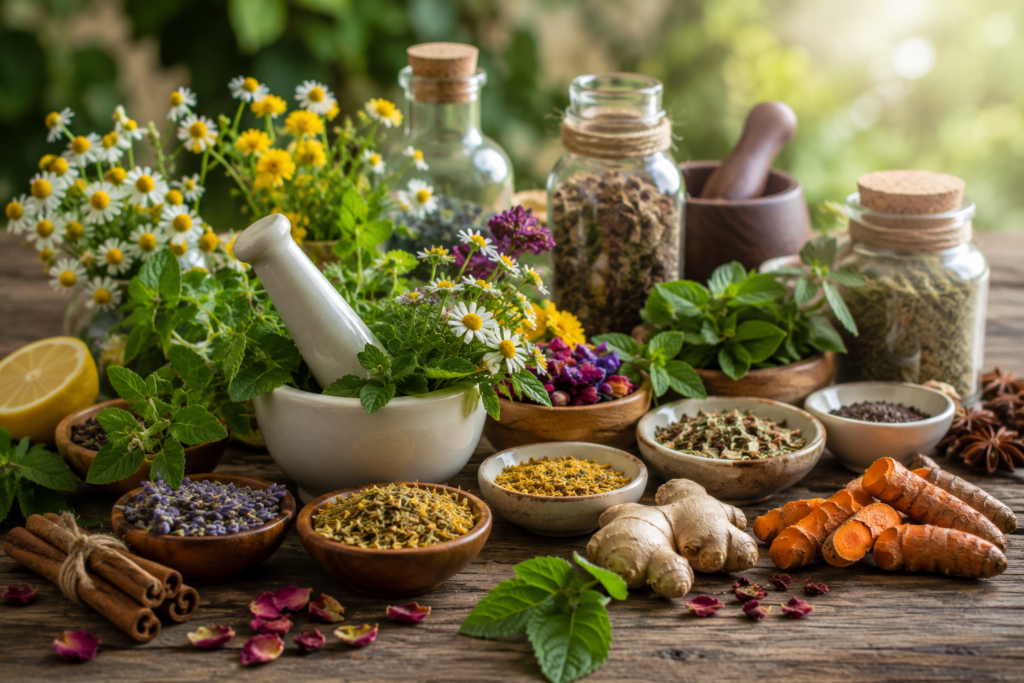
- Activating the "digestive fire" (Agni): Many cultures use spices and gentle acids to stimulate digestive enzymes, improve food breakdown, and prevent rapid fat storage.
- Drainage and elimination: Traditional infusions and decoctions support organs of elimination (liver, kidneys, and lymphatic system) to facilitate the clearing of fluid retention.
What Scientific Studies Show
- The role of thermogenic spices: A pilot study conducted by Mansour et al. showed that consuming ginger moderately increases the thermic effect of food after meals and reduces feelings of hunger, without disrupting blood glucose or insulin. Regarding cinnamon, several clinical trials support its beneficial effect on glycemic homeostasis, notably observing a reduction in postprandial insulin response in overweight individuals.
- The effect of vinegar before meals: A meta-analysis of clinical trials concluded that vinegar consumption leads to a modest but significant reduction in postprandial glycemic and insulin responses.
- The impact of morning hydration rituals: Drinking warm preparations on an empty stomach helps reboot intestinal motility and prepares the digestive system for better nutrient absorption throughout the day.
2. Weight Loss Treasures Across the Globe
Here is how major cultural traditions approach metabolic support and vitality:
In the Arab and Oriental World
- The ritual of the blessed seed and lemon: A deeply rooted tradition involves combining a small amount of black seed oil (habba sawda) or black cumin seeds with warm water, lemon juice, and sometimes a touch of honey on an empty stomach in the morning. This helps stimulate transit, curb appetite, and soothe digestive inflammation.
- Mild spice infusions: Cardamom and cinnamon are regularly used to stabilize blood sugar and curb sweet cravings.
In Indian Tradition (Ayurveda)
- Awakening the "digestive fire" (Agni): The classic Ayurvedic ritual consists of drinking warm water in the morning infused with lemon juice, a little raw honey, and a pinch of turmeric or grated ginger to wake up the body.
- Triphala: This traditional mixture of three fruits is widely used to gently cleanse the intestines, improve absorption, and eliminate metabolic waste without irritating the mucosal lining.
In Asian Traditions (China, Japan)
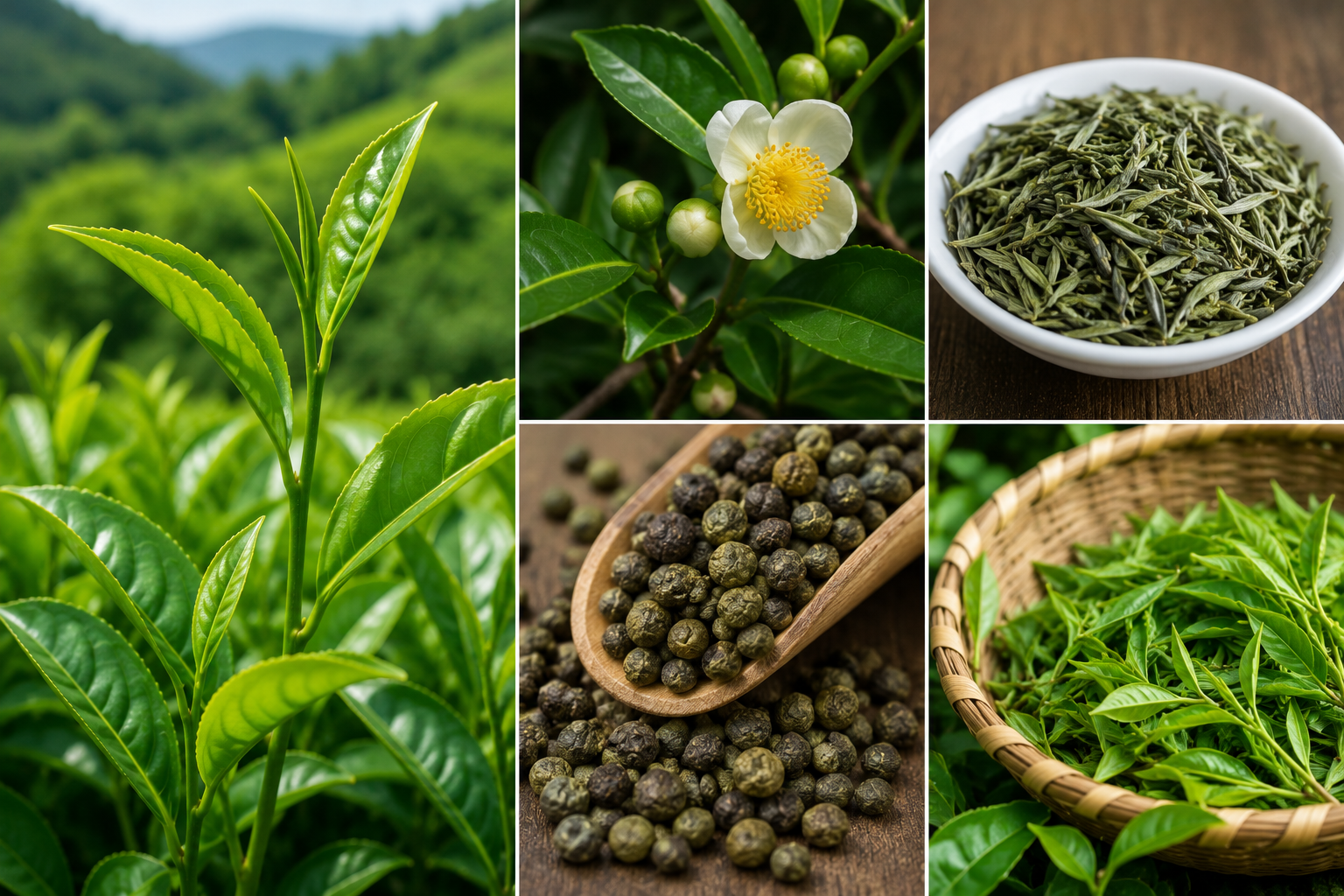
- Draining teas and infusions: Beyond classic green tea, Asian cultures integrate roasted buckwheat infusions (sobacha) or barley tea (boricha) throughout the day to hydrate the body, promote drainage, and curb snacking cravings.
- Root broths: Using clear broths enriched with ginseng or fresh ginger helps warm the body and support energy expenditure.
In Western Culture (European Herbal Medicine)
- Seasonal drainers: European tradition places strong emphasis on decoctions of dandelion, meadowsweet, or cherry stalks, used to stimulate kidney elimination and combat water retention.
- Apple cider vinegar: Taken diluted before meals, traditional apple cider vinegar helps regulate blood sugar spikes and prepares the stomach for digestion.
In South American, African, and Persian Traditions
- The Andes (South America): Muña infusion (Andean mint) is traditionally consumed after meals to facilitate fat digestion and reduce bloating.
- West Africa: Bissap (hibiscus flower infusion) is appreciated for its refreshing, diuretic, and draining properties.
- Persian tradition: Rose water and fresh mint are combined to soothe the digestive system and reduce metabolic stress.
3. When to Consult a Doctor
It is imperative to consult a healthcare professional (attending physician, nutritionist, or endocrinologist) in the following situations:
- If you are undertaking a significant weight loss journey or if you experience abnormal and persistent fatigue.
- In case of sudden and unexplained weight gain or loss, which may mask a hormonal imbalance (thyroid, diabetes, etc.).
- Before integrating potent plants, highly concentrated spices, or drainage cleanses, especially if you are on chronic medical treatment (anticoagulants, treatments for hypertension or diabetes).
4. Weight Loss Plateaus: A Multifactorial Equation
Difficulty losing weight is never a matter of willpower, but rather a complex combination of biological factors:
- Genetic predisposition and basal metabolic rate: Biological inheritance directly influences how we store and burn energy.
- Secondary causes and medical treatments: Certain medications or periods of intense stress profoundly alter our physiology. It is an ordeal I have experienced firsthand: during periods of heavy medical treatments, particularly cortisone-based ones, my body stored water and fat completely independently of my diet, altering my silhouette and reminding me just how complex human biology is.
- Sleep and chronic stress: Lack of sleep raises cortisol, a hormone that promotes visceral fat storage and disrupts satiety signals.
5. The Essential Message: You Are Not Failing
Traditions from around the world remind us that the human body needs gentleness, consistency, and good nutrients to reach its healthy weight. We must stop feeling guilty and move toward a holistic and respectful approach:
- Incorporate these cultural rituals (such as warm lemon water or a spice infusion) as moments of well-being to reconnect with your body.
- Prioritize a whole-food diet rich in plant fibers.
- Listen to your metabolism's needs without rushing it with exhausting drastic diets.
Wisdom from around the world shares a common vision: the human body possesses extraordinary resilience when supported with the right habits and a deep respect for its physiology. To sustainably support your health, these traditions offer wonderful sources of inspiration. Above all, keep hope: you are not alone, and with patience, self-compassion, and proper medical guidance, it is entirely possible to restore a peaceful and lasting balance in your life.
Practical Guides: World Recipes
Arab and Eastern World
- Cinnamon and cardamom infusion: Steep 1/2 teaspoon of ground cinnamon and a few crushed cardamom seeds in simmering water for 10 minutes. Drink between meals to curb appetite.
- The black seed and lemon ritual: Mix a few drops of black seed oil (habba sawda) or a pinch of black cumin seeds with the juice of half a lemon in a large glass of warm water. Drink in the morning on an empty stomach.
Indian Tradition (Ayurveda)
- Warm lemon water with turmeric and ginger: In a large glass of warm water, add the juice of half a lemon, a pinch of turmeric, a pinch of grated ginger, and a spoonful of raw honey. Drink in the morning to awaken the metabolism.
- Triphala decoction: Steep 1/2 teaspoon of Triphala powder in hot water for 10 minutes. Strain and drink in the evening at bedtime to support digestion and elimination.
Asian Traditions (China, Japan)
- Sobacha (roasted buckwheat): Steep 1 tablespoon of roasted buckwheat seeds in hot water for 5 minutes. Drink throughout the day to support drainage.
- Clear ginseng and ginger broth: Simmer thin slices of fresh ginseng root and ginger root in gently simmering water for 15 minutes.
Western Tradition (European Herbal Medicine)
- Cherry stem decoction: Boil a handful of dried cherry stems in 1 liter of water for 10 minutes, then let steep for 15 minutes. Strain and drink throughout the day.
- Apple cider vinegar elixir: Dilute 1 teaspoon of raw (unpasteurized) apple cider vinegar in a large glass of warm water, 15 minutes before meals.
South American, African, and Persian Traditions
- South America (Muña infusion): Steep a handful of muña leaves in simmering water for 10 minutes after a meal to aid digestion.
- West Africa (Hibiscus Bissap): Boil dried hibiscus flowers in water. Drink cold or warm to enjoy its diuretic properties.
- Persian (Rosewater and mint): Add a few drops of pure rosewater and fresh mint leaves to cool water to soothe digestion.
Scientific Sources
- Mansour, M. S., et al. (2012). Ginger consumption enhances the thermic effect of food and promotes feelings of satiety without affecting metabolic and hormonal parameters in overweight men: A pilot study. Metabolism, 61(10), 1347-1352.
- ClinicalTrials.gov (2020). Effects of Cinnamon Supplementation on Postprandial Glycemic and Insulinemic Responses in Overweight/Obese Subjects (Identifier: NCT04686552).
- Shishehbor, F., et al. (2017). Vinegar consumption can attenuate postprandial glucose and insulin responses; a systematic review and meta-analysis of clinical trials. Diabetes Research and Clinical Practice, 127, 1-9.
August 4, 2026
Sarah Martinez
Related articles