
Regenerating Your Gut Flora: The World’s Best Traditional Recipes and Remedies
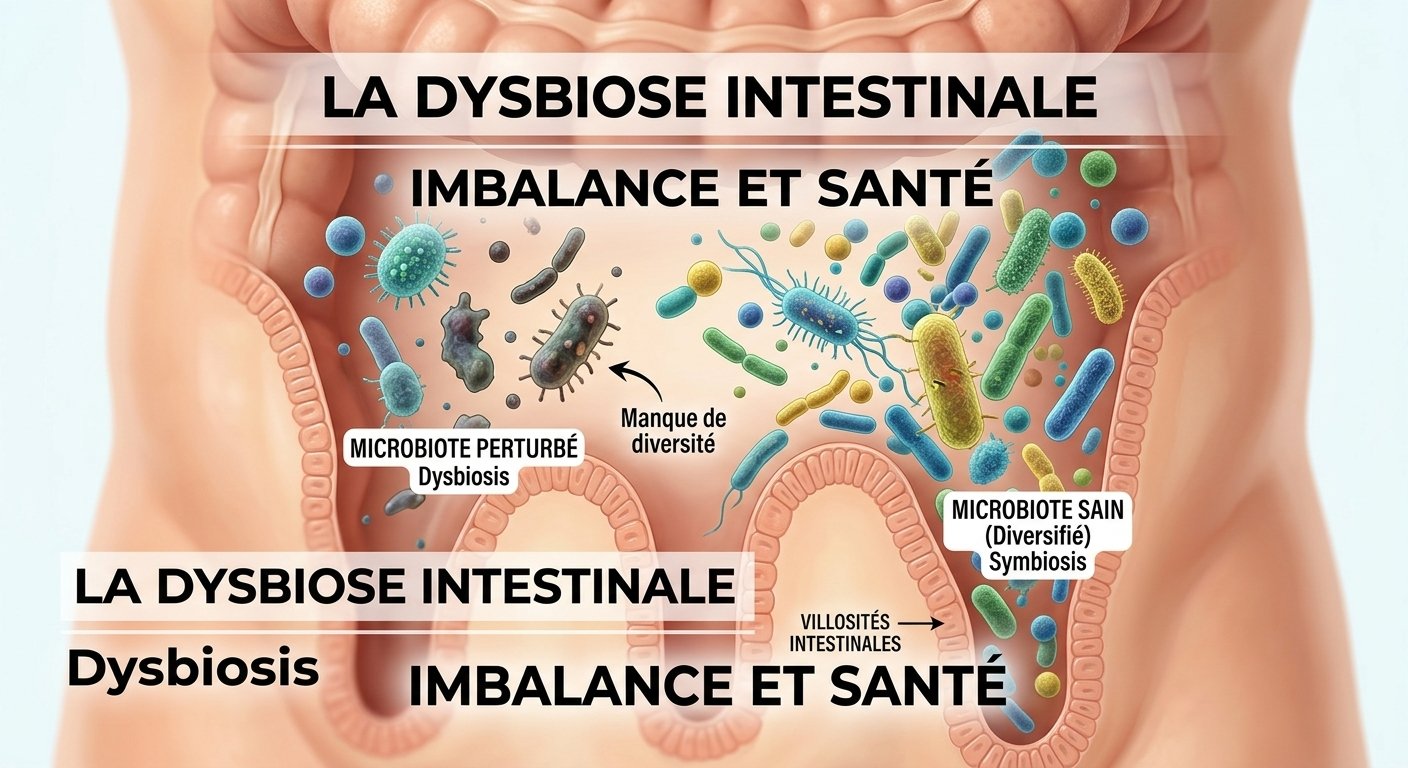
Across continents and centuries, every great health tradition has developed culinary and botanical treasures designed to nourish the gut, soothe digestion, and strengthen vital energy. Today, modern medical science confirms what ancestral wisdom applied by instinct: fermented foods, mucilage-rich decoctions, and mild spices are powerful modulators of the gut microbiota.
From Eastern Europe to India, East Asia, the Arab-Mediterranean world, and Africa, let us explore these traditional preparations dedicated to supporting gut health.
1. Eastern Europe & Slavic Traditions: The Living Elixir of Milk Kefir
Kefir originates from the Caucasus Mountains, where centenarians attributed their remarkable longevity to the daily consumption of milk fermented by symbiotic grains.
The Recipe: Traditional Artisanal Kefir
- Ingredients: 1 tablespoon of milk kefir grains, 500 ml of whole milk (preferably organic or raw).
- Preparation: Place the grains in a clean glass jar with the milk. Cover with a breathable cloth and allow to ferment at room temperature for 24 hours. Strain through a plastic sieve (avoid metal) to collect the grains, then store the drink in the refrigerator.
Why It Works
- Unmatched Probiotic Diversity: Kefir contains up to 60 strains of lactic acid bacteria, acetic acid bacteria, and beneficial yeasts (notably Lactobacillus kefiranofaciens), making it far richer than conventional yogurt.
- Immune and Barrier Action: Fermentation produces kefiran, a soluble polysaccharide that reduces intestinal inflammation and inhibits pathogenic bacteria from adhering to the mucosa.
2. India & Ayurveda: Carrot Kanji and Dandelion Root Powder
In Ayurvedic medicine, health depends on the strength of the digestive fire (Agni). To rekindle this fire without inflaming it, Ayurveda uses light fermentations and bitter prebiotic plants.
The Recipe: Purifying Red Kanji
- Ingredients: 3 carrots (ideally purple or orange), 1 teaspoon of crushed black mustard seeds, 1/2 teaspoon of turmeric, 1 teaspoon of pink salt, 1 liter of filtered water.
- Preparation: Cut the carrots into sticks. Place them in a glass jar with the spices, salt, and water. Cover with a cloth and ferment in gentle sunlight for 3 to 4 days until the drink becomes slightly tangy.
- Herbal Variant: Add 1/2 teaspoon of dried dandelion root powder as a morning decoction.
Why It Works
- Enzyme Stimulation: Natural lactic fermentation of carrots enriches the preparation with digestive enzymes.
- Bitter Prebiotic Action: Dandelion root is packed with inulin, a soluble prebiotic fiber that selectively feeds bifidobacteria while stimulating bile secretion to cleanse the liver.
3. East Asia (Japan & China): Miso Soup with Shiitake Mushrooms
Traditional Chinese Medicine (TCM) considers the Small Intestine and the Spleen to be the center for transforming food into energy (Qi).
The Recipe: Restorative Miso & Shiitake Broth
- Ingredients: 1 tablespoon of unpasteurized miso paste (brown or white miso), 2 dried shiitake mushrooms, 1 small piece of wakame seaweed, 300 ml of warm water.
- Preparation: Rehydrate the shiitake mushrooms and wakame in warm water for 15 minutes. Simmer gently over very low heat. Turn off the heat (the water must not boil), dilute the miso paste with a spoon, and serve warm.
Why It Works
- Enzyme and β-Glucan Synergy: Fermented miso paste provides living microorganisms (Aspergillus oryzae), while shiitake mushrooms supply beta-glucans that boost local gut immunity.
- Mucosal Regeneration: Wakame seaweed contributes rare minerals and alginates that soothe stomach walls.
4. Arab-Mediterranean World: The Traditional Arabic Mallow (Khoubbeiz) Triad
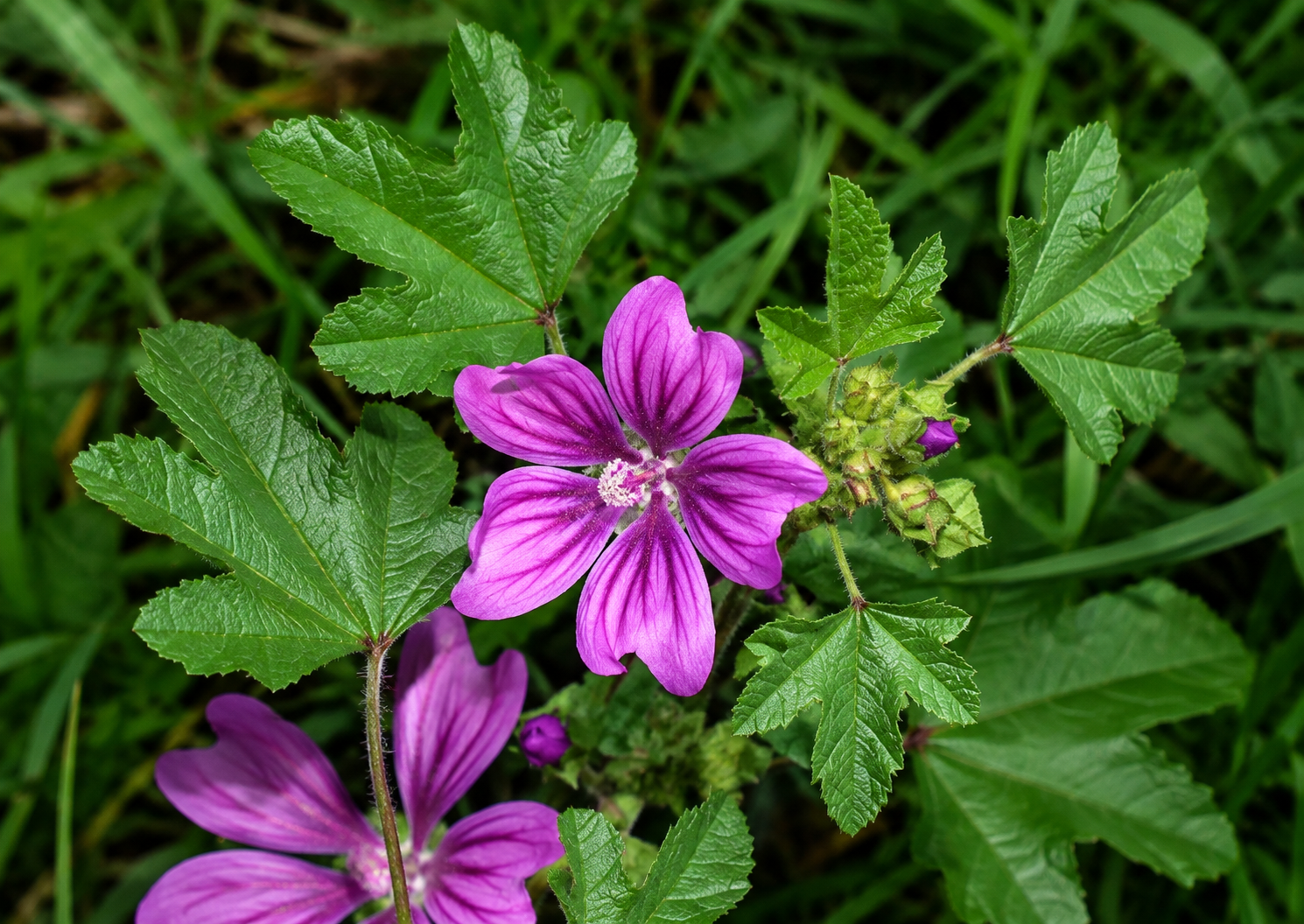
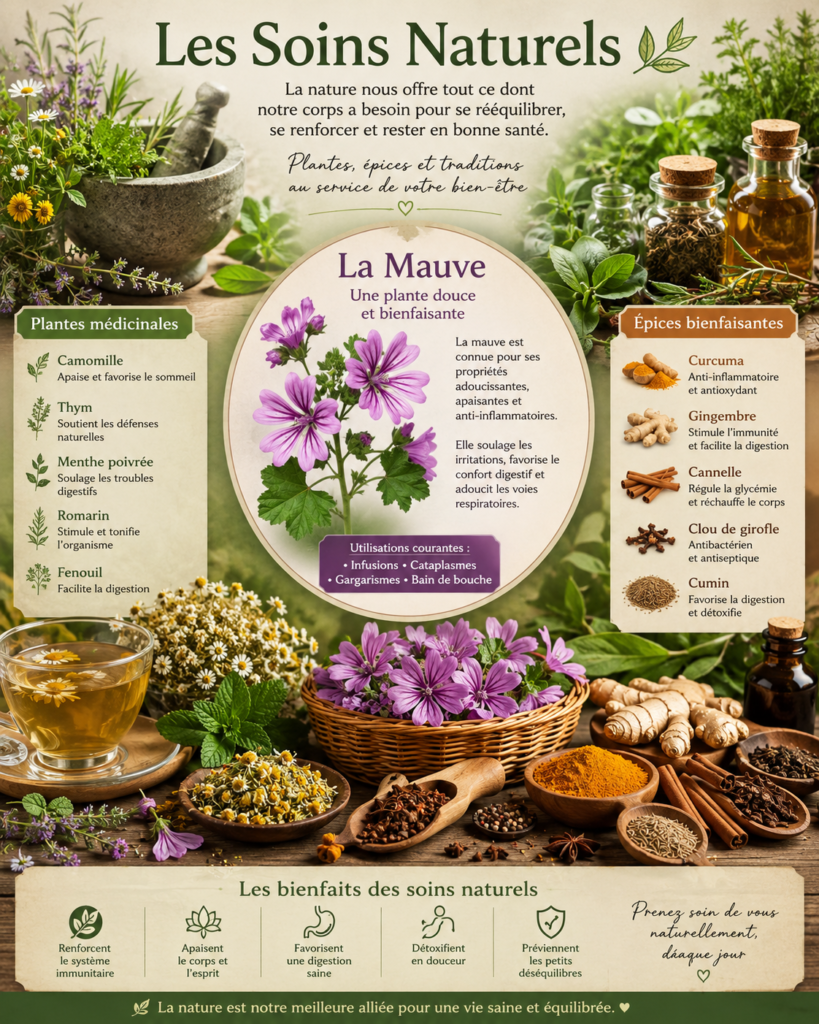
Inherited from the treatises of Ibn al-Baitar and folk uses across the Mediterranean basin, mallow (Malva sylvestris), known locally as Khoubbeiz, is the ultimate emergency remedy for inflamed mucous membranes and digestive tracts. Here are three ancestral ways to prepare it in the Arabic tradition to reap all its mucilaginous benefits.
Recipe 1: Intestinal Barrier Infusion-Gel (Daily Use)
- Ingredients: 1 tablespoon of dried mallow flowers and leaves, 1 teaspoon of lightly crushed brown flaxseeds, 300 ml of water.
- Preparation: Heat the water without bringing it to a rolling boil. Pour over the mallow and flaxseeds. Cover immediately and let steep for 15 minutes. Strain carefully. The drink will take on a silky, fluid texture.
- Usage: Drink warm 20 minutes before meals to line the stomach and intestines.
Recipe 2: Sautéed Khoubbeiz with Olive Oil and Garlic (Traditional Medicinal Dish)
- Ingredients: 1 large handful of fresh young mallow leaves (thoroughly washed), 2 minced garlic cloves, 2 tablespoons of extra-virgin olive oil, 1 pinch of cumin, a squeeze of fresh lemon juice.
- Preparation: Steam the mallow leaves for 5 to 7 minutes. In a skillet, sauté the garlic in olive oil over very low heat without burning it. Add the cooked mallow and cumin, then sauté for 2 minutes. Drizzle with fresh lemon juice before serving.
- Usage: Enjoy warm as a medicinal appetizer.
Recipe 3: Soothing Cold Maceration (Intense Care for Stomach and Colon)
- Ingredients: 2 tablespoons of dried mallow leaves and flowers, 500 ml of room-temperature spring water.
- Preparation: Place the mallow in a pitcher of cold water. Cover and let steep overnight (about 8 hours). In the morning, strain gently through cheesecloth. The water will become slightly gelled and smooth.
- Usage: Sip slowly throughout the day, especially during flare-ups of burning sensations or intestinal irritation.
Why It Works
- The Mucilage Shield: Mallow secretes a plant-based hydrogel rich in polysaccharides that coats the digestive tract, acting as a physical bandage against acidity and intestinal permeability.
- Nutritional and Anti-Inflammatory Synergy: Gentle cooking with olive oil and lemon delivers antioxidants (flavonoids) and healthy fatty acids that enhance tissue healing along the gut wall.
5. Sub-Saharan Africa: Baobab Fruit (Bouye) Juice with Ginger
In West African pharmacopeia, baobab fruit pulp (monkey bread) is renowned for regulating disrupted bowel movements and restoring strength following digestive illnesses.
The Recipe: Baobab Rebalancing Drink
- Ingredients: 2 tablespoons of organic baobab fruit pulp powder, 1 pinch of freshly grated ginger, 250 ml of warm water or coconut water, 1 teaspoon of raw honey.
- Preparation: Vigorously mix the baobab powder and ginger into warm water until completely dissolved. Add honey and drink in the morning.
Why It Works
- Exceptional Soluble Fiber Density: Baobab pulp contains nearly 50% fiber, evenly divided between soluble and insoluble fiber, making it a prime food source for Akkermansia muciniphila.
- Rich in Vitamin C and Polyphenols: Antioxidant action protects intestinal cells from oxidative stress caused by dysbiosis.
These traditional recipes, developed over centuries of practice around the world, demonstrate that nature offers an infinite palette of solutions for caring for our internal ecology. By reincorporating these simple practices—living kefir, soothing mucilages, bitter prebiotics, and natural fermentations—we restore our microbiota's innate ability to heal.
Scientific references
- Farnworth, E. R. (2005). The beneficial health effects of kefir. Critical Reviews in Food Science and Nutrition, 45(3), 191–198.
- Bourrie, B. C., Willing, B. P., & Cotter, P. D. (2016). The microbiota and health promoting characteristics of kefir. Frontiers in Microbiology, 7, 647.
- Bonaterra, G. A., et al. (2020). Anti-inflammatory and anti-oxidative effects of phyto-extracts from Althaea officinalis L. and Malva sylvestris L. in human intestinal epithelial cells. Frontiers in Pharmacology, 11, 581682.
- Coe, S. A., Clegg, M., Armengol, M., & Ryan, L. (2013). The polyphenol-rich baobab fruit (Adansonia digitata L.) reduces starch digestion and glycemic response in humans. Nutrition Research, 33(11), 888–896.
- Mitsou, E. K., et al. (2017). Adherence to the Mediterranean diet is associated with the gut microbiota pattern and gastrointestinal characteristics in an adult population. British Journal of Nutrition, 117(12), 1645–1655.
August 17, 2026
Sarah Martinez
Related articles