
My Personal Story: The Turning Point
For a long time, many everyday struggles—like persistent bloating, unexplained chronic fatigue, and digestive discomfort after every meal—were brushed off or simply blamed on stress. It was only by digging deeper to find the root cause of these imbalances that I realized just how much gut health shapes our overall well-being. This personal journey pushed me to explore what is really going on inside our microbiome.
The Scientific Approach: Why Should We Care Today?
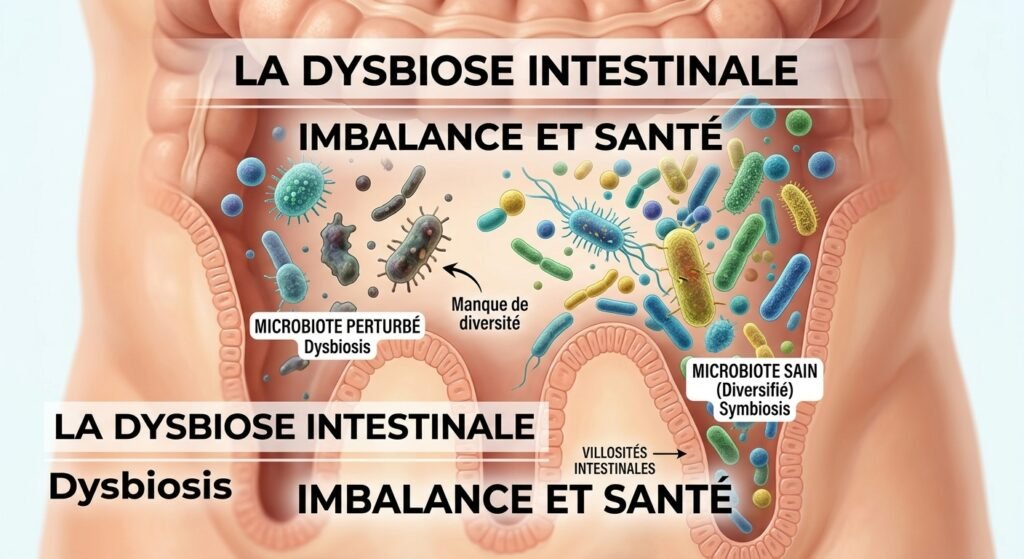
The human body hosts over 38 trillion microorganisms in the digestive tract, forming what we call the gut microbiome. When a harmonious balance (symbiosis) exists, these bacteria help with digestion, vitamin synthesis, and the proper functioning of the immune system. However, modern lifestyles—such as ultra-processed foods, stress, and overmedication—frequently disrupt this ecosystem. This imbalance is what we call gut dysbiosis.
Part 1: Understanding the Condition and Its Mechanisms
Dysbiosis is not simply about having bad bacteria; it is actually a threefold phenomenon:
- A loss of microbiome diversity: Fewer different species are available to carry out vital metabolic functions.
- A decline in beneficial bacteria: Especially short-chain fatty acid (SCFA) producing species like Faecalibacterium prausnitzii or Akkermansia muciniphila.
- The proliferation of pro-inflammatory microorganisms (pathobionts).
The Concept of Intestinal Permeability (Leaky Gut)
Beneficial bacteria produce essential metabolites (like butyrate) that nourish the cells lining the intestinal wall and strengthen tight junctions. When dysbiosis occurs, this barrier deteriorates and becomes permeable. Bacterial fragments (such as lipopolysaccharides or LPS) and toxins then pass into the bloodstream, triggering low-grade inflammation throughout the entire body.
Part 2: Symptoms and Manifestations
The symptoms of dysbiosis go far beyond the digestive tract:
1. Direct digestive manifestations
- Bloating, excessive gas, and abdominal distension after meals.
- Disrupted bowel movements (alternating between constipation and diarrhea, or irritable bowel syndrome).
- Frequent abdominal pain or cramping.
2. Extra-digestive and systemic manifestations
- Chronic fatigue and brain fog: Via the gut-brain axis, intestinal inflammation impairs neurotransmitter production and cognitive clarity.
- Skin conditions: Toxin infiltration that can promote or aggravate acne, eczema, or psoriasis.
- Mood changes: Anxiety or irritability linked to vagus nerve dysfunction and reduced serotonin levels (90% of which is synthesized in the gut).
- Increased food sensitivities: Progressive intolerance reactions to various foods that were previously well tolerated.
Part 3: What to Avoid (Risk and Aggravating Factors)
To protect or restore the intestinal flora, it is essential to identify what disrupts the ecosystem:
- Ultra-processed foods and additives:
- Industrial emulsifiers (e.g., carboxymethylcellulose, polysorbate-80) alter the protective intestinal mucus layer and reduce bacterial diversity.
- Artificial sweeteners and refined sugars: Promote the growth of opportunistic bacteria.
- Overuse or inappropriate use of antibiotics: While they destroy pathogenic bacteria, they also eliminate a large portion of beneficial bacteria, leaving the door open to lasting imbalances.
- Chronic stress: Cortisol and sympathetic nervous system stimulation reduce blood flow to the intestinal mucosa and alter the composition of the microbiota.
- Sedentary lifestyle and lack of sleep: The circadian rhythm directly influences the renewal of bacterial populations.
4: Comprehensive principles to prevent, relieve, and promote healing
1. Diversify plant fiber intake (Prebiotics)
Beneficial bacteria feed on non-digestible fibers. A varied intake of vegetables, legumes, seeds, and whole grains stimulates the production of protective short-chain fatty acids (SCFAs).
2. Gradually reintroduce fermented foods
Fermented products (kefir, kombucha, unpasteurized sauerkraut, miso) naturally provide live bacterial strains that temporarily enrich the microbiota and support immunity.
3. Manage stress and lifestyle rhythm
Practices such as heart rate variability breathing (cardiac coherence), yoga, or outdoor walking reduce cortisol production and restore intestinal motility.
4. Build a comprehensive lifestyle strategy
- Take time to chew thoroughly to facilitate upstream enzymatic breakdown.
- Maintain sufficient spacing between meals to allow the migrating motor complex (MMC) to clean the small intestine.
Intestinal dysbiosis is not inevitable, but a warning signal sent by our body inviting us to reevaluate our lifestyle habits. By eliminating disruptive factors (especially ultra-processed products) and providing our microbiota with the diverse, living nutrients it needs, it is possible to gradually restore balance and regain lasting vitality.
Scientific references
- Rondinella, D., Raoul, P. C., Valeriani, E., et al. (2025). The Detrimental Impact of Ultra-Processed Foods on the Human Gut Microbiome and Gut Barrier. PMC Review Articles, PMC11901572.
- Chassaing, B., Koren, O., Goodrich, J. K., et al. (2015). Dietary emulsifiers impact the mouse gut microbiota promoting colitis and metabolic syndrome. Nature, 519(7541), 92–96.
- Whelan, K., Bancil, A. S., Lindsay, J. O., & Chassaing, B. (2024). Ultra-processed foods and food additives in gut health and disease. Nature Reviews Gastroenterology & Hepatology.
- Brichacek, A. L., Florkowski, M., Abiona, E., & Frank, K. M. (2024). Ultra-Processed Foods: A Narrative Review of the Impact on the Human Gut Microbiome. Nutrients, 16(11), 1738.
- Naimi, S., et al. (2021). Direct impact of commonly used dietary emulsifiers on human gut microbiota. Microbiome, PMC9331555.
August 17, 2026
Sarah Martinez
Related articles