
A Neuroscientific Lever for Global Health
In a world where psychological, economic, and social factors impose constant pressure, our breathing, while automatic, is often compromised. We breathe under tension, which limits our ability to cope with stress. Yet, as highlighted by Richard Seaman, who holds a PhD in Neuroscience from Harvard University, mastering the breath is an absolute necessity for maintaining our biological balance.
Neurological Foundations: Why Breath Changes Everything
Breathing is not merely a mechanical process; it is a direct interface between our mind and our physiology.
The vagus nerve is the main bidirectional bridge between the brain and the body. Slow and deep breathing stimulates the vagus nerve, allowing a shift from the sympathetic nervous system to the parasympathetic system.
Helen Lavretsky, a psychiatrist at the University of California and a director of research, asserts that the breath is an immediate tool for emotional self-regulation. Her work shows that regulating one's breath before reacting radically transforms how we manage our emotions.
The work of Jack Feldman, head of the Department of Neuroscience at the University of California, confirms that breathing rhythms are coupled with the activity of key brain areas dedicated to memory and cognition. This is why we instinctively take a deep breath before an important challenge: our brain is optimizing its capabilities.
Modern Reality: The Danger of Screen Apnea
We frequently suffer from a little-known phenomenon: screen apnea. When facing our smartphones or computers, we tend to hold our breath without realizing it, which keeps the nervous system in a state of unnecessary alertness. Becoming aware of this blockage is the first step toward relearning how to breathe freely in daily life.
The Magic Number and Systemic Benefits
While the usual rhythm is between 12 and 20 breaths per minute, clinical studies suggest that approximately 6 breaths per minute constitute the optimal rhythm for achieving a state of mental clarity.
The benefits include:
- Cortisol reduction: Marked decrease in the stress hormone.
- Cardiovascular regulation: Improved circulation through muscular relaxation.
- Metabolic optimization: Better oxygen saturation promotes nutrient absorption and waste elimination.
Practical Guide: The Art of Conscious Breathing
Efficacy, confirmed by a 2023 study, relies on regular practice: 5 minutes a day is enough to reduce anxiety.
A firm seat, with feet on the floor, promotes the opening of the diaphragm.
Always breathe through your nose. Do not try to force the inhale. Efficiency comes from the slowness and subtlety of the breath, not its volume. Noisy or forced breathing is often a sign of stress in the nervous system.
Do not just pump air. Focus your attention on the path of the air: feel the coolness at the entry of the nostrils and the warmth at the exit. It is this mental presence that breaks the cycle of anxious thoughts.
Try the 4-7-8 technique, or simply aim for around 6 breaths per minute.
Precautions and Recommendations
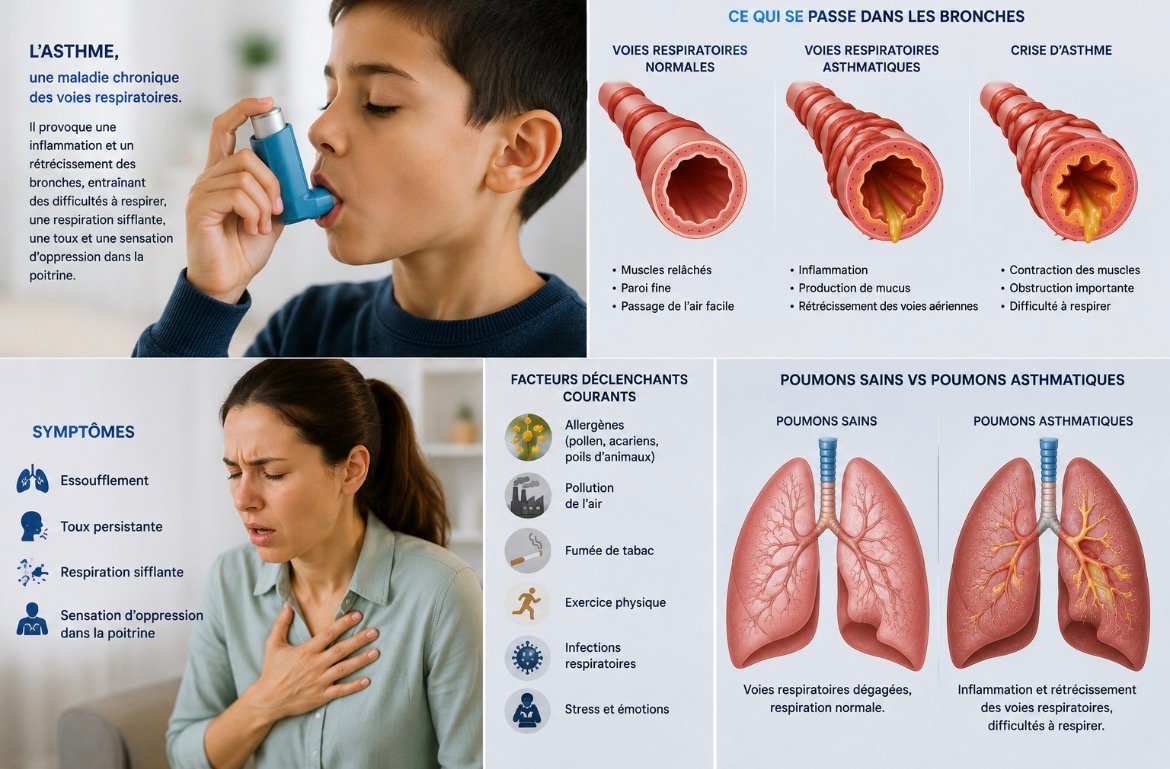
Although conscious breathing is beneficial for the majority, some techniques may be unsuitable for people suffering from severe respiratory disorders or specific cardiac conditions. In case of doubt, a consultation with a healthcare professional is highly recommended.
Breathing is a pillar of our overall health. As noted by researcher Guy Fincham, we have the power to influence our internal state simply by consciously changing our breathing pattern. For a practice tailored to your needs, do not hesitate to consult an expert, such as a naturopath at the House of Nature medical center.
July 17, 2026
Sarah Martinez
Related articles