
Faced with the major challenges of prostate health, when the body confronts an ordeal, distress and a sense of powerlessness can easily set in. Yet, across the ages and continents, great civilizations have observed nature to decode its messages. Far from illusory promises, terrain herbalism offers comprehensive approaches to modify the internal environment, soothe tissues, and restore hope. Let us explore together the nuggets of four great world traditions.
1. Eastern Arab Culture: The Wisdom of the Near East Lands
- Wild Marshmallow Root and Pumpkin Seed Infusion: Deeply rooted in traditional pharmacopeia, marshmallow root is exceptionally rich in protective mucilages. Combined with crushed pumpkin seeds, this gentle decoction coats and immediately soothes inflamed urinary tracts, calms burning sensations, and reduces mechanical tension around the prostate.
- Jujube Honey Enriched with Male Palm Pollen: A classic of Eastern herbalists. Palm pollen is traditionally renowned for revitalizing male energy and toning the urogenital sphere. Combined with raw jujube honey, which possesses exceptional regenerating properties, it forms a deeply nourishing foundational cure.
- Chasteberry Leaf and Wild Caper Root Infusion: Ancient herbalists used wild roots and berries to modulate local hormonal imbalances and soothe prostate tensions, acting directly on pelvic congestion through a depurative herbal tea drunk in the morning on an empty stomach.
2. Indian Culture (Ayurveda): The Millennial Strength of Roots and Resins
- Shatavari Root Decoction: In Ayurveda, Shatavari is the great regulator of male reproductive and urinary tissues. Its root is rich in steroidal saponins that help reduce prostate inflammation, soothe burning sensations, and smoothly fluidify urinary flow.
- Golden Elixir with Guggulu and Raw Turmeric: Guggulu is one of the most powerful Ayurvedic remedies for dissolving stases and reducing tissue hyperplasia. Combined with fresh turmeric rhizome and a pinch of black pepper, it directly targets chronic inflammatory processes.
- Tribulus Terrestris Seed Infusion: Considered in India as the queen of plants for the urogenital system, the decoction of Gokshura fruits tonifies the kidneys, drains the bladder, and reduces prostate edema through a remarkable diuretic and soothing action.
3. Asian Culture: The Balance of Energies and Strength Mushrooms
- Reishi and Poria Cocos Mushroom Decoction: Pillars of Asian pharmacopeia, these mushrooms contain complex polysaccharides and triterpenes that modulate the immune response, reduce abnormal cell proliferation, and drain stagnant moisture from the lower heater, providing lasting relief to the prostate.
- Astragalus Root and Goji Berry Broth: Astragalus is used to fortify original energy and stimulate the body's natural defenses against severe pathologies. Slowly simmered with wild goji berries, this traditional soup nourishes kidney Yin and infuses vital energy into weakened tissues.
- White Peony Root and Wild Licorice Infusion: Highly prized in traditional East Asian herbalism, this ancestral combination helps relax the smooth muscle fibers of the bladder neck, loosen the pelvis, and soothe painful spasms related to prostate disorders.
4. Western Culture: The Power of Simple Remedies from Our Countryside
- Stinging Nettle Root Maceration: Harvested in autumn, nettle root is a major treasure of Western herbalism. It contains free sterols and lectins that bind to the prostate's hormonal receptors to block cellular hypertrophy and free the urinary system.
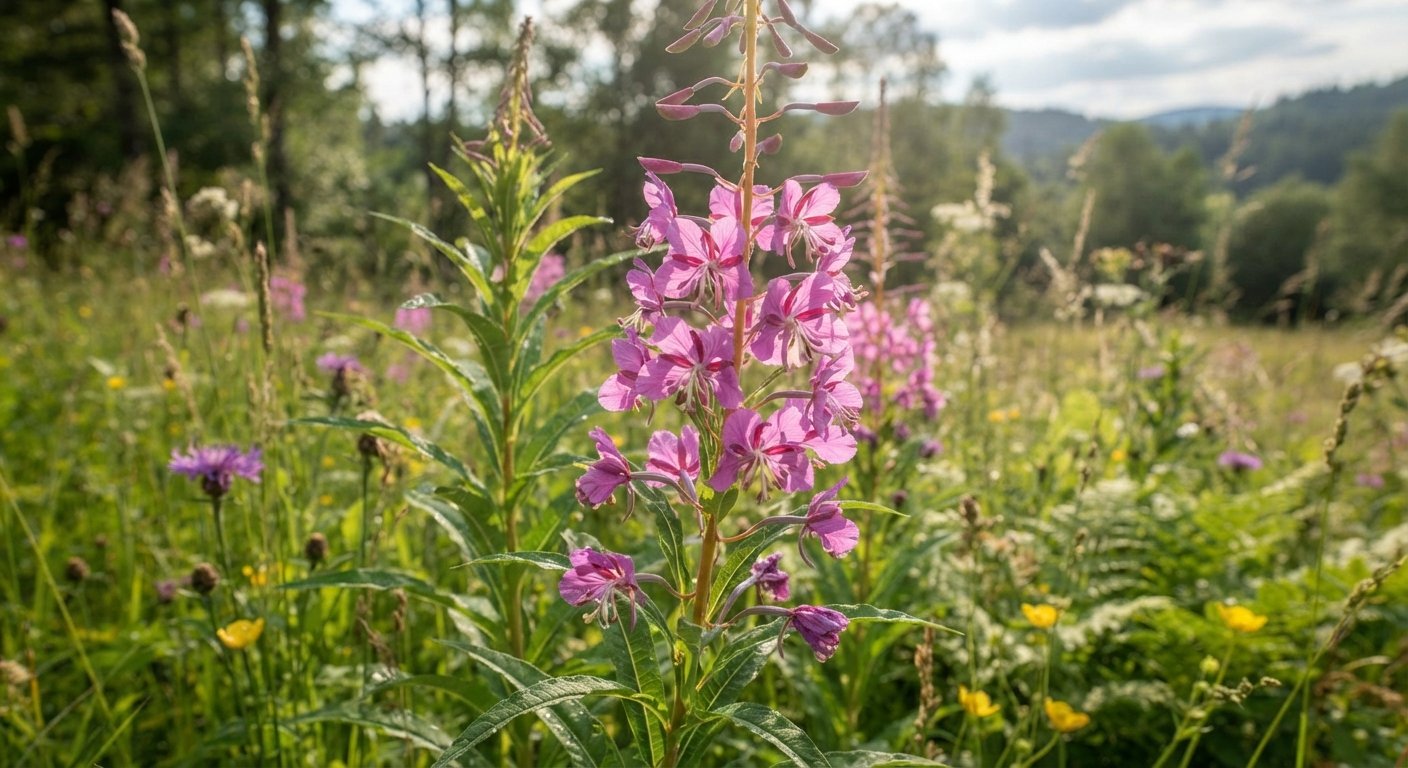
- Combined Infusion of Small-Flowered Willowherb and Crushed Pumpkin Seeds: The pairing of willowherb and the active principles of fresh pumpkin seeds constitutes the quintessential terrain remedy in Europe for decongesting the gland and slowing tumor progression.
- Simple Infusion of Saw Palmetto Berries and Juniper: A quick infusion of dried saw palmetto berries—the Western reference for modulating prostate hormones—combined with a few juniper berries to gently stimulate renal elimination.
5. External Application Care: Three Natural Methods to Immediately Soothe the Pelvis
Exceptionally, to complete this dossier and provide concrete physical relief to men suffering from internal pelvic tensions, it is possible to act from the outside. The prostate itself cannot be reached topically, but treating the pelvic envelope through local applications helps release spasms, stimulate blood circulation, and lastingly soothe the urogenital zone.
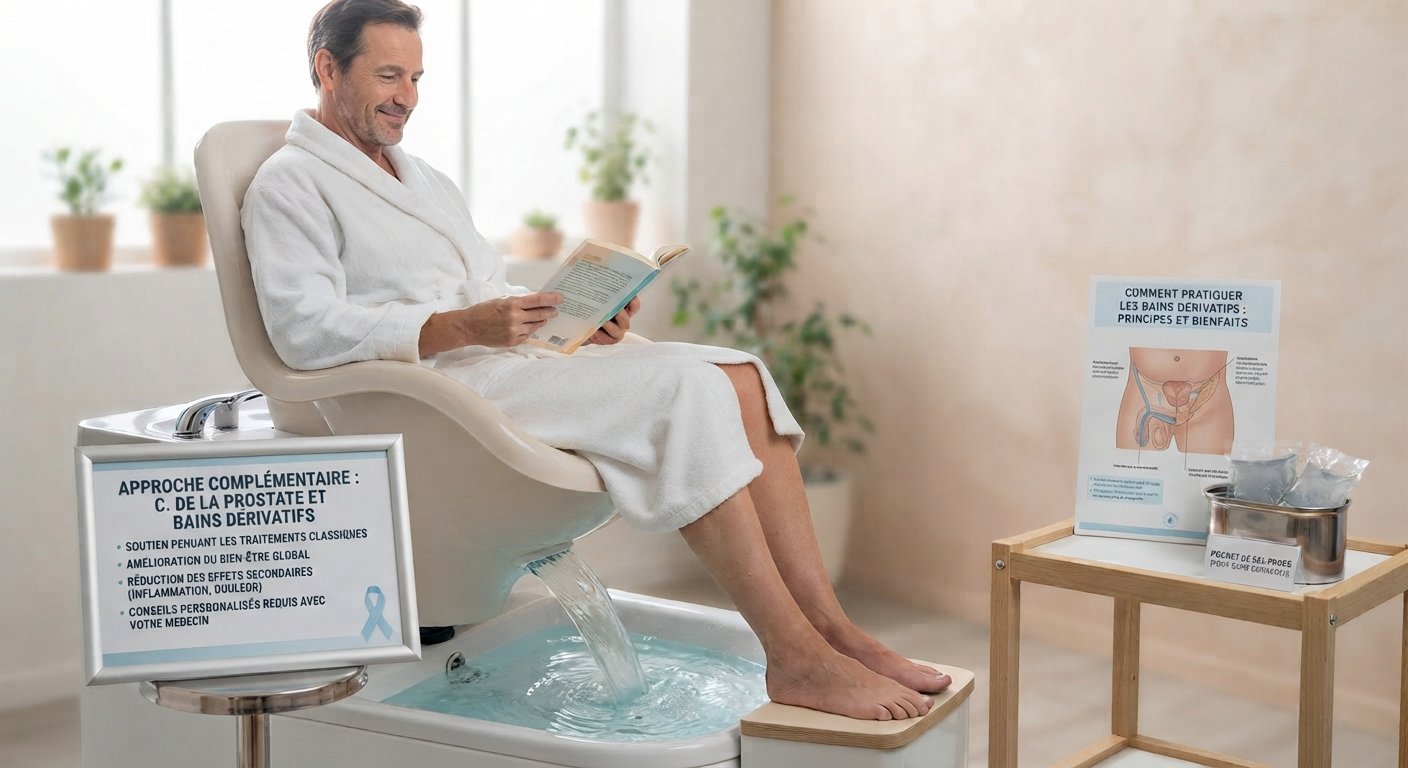
- Warm Yarrow and Chamomile Sitz Bath: Prepare a strong infusion with a generous handful of yarrow flowering tops and chamomile in two liters of simmering water for 15 minutes. Strain and pour into a clean basin filled with warm (not boiling) water. Sit in it for 10 to 15 minutes, keeping the pelvis completely immersed. This bath decongests pelvic tissues, relaxes the pelvic floor, and instantly relieves urinary pressures.
- Warm Green Clay Poultice on the Lower Abdomen: Prepare powdered green clay by mixing it with a little warm water (in a wooden or glass container, never metal) until a smooth, homogeneous paste is obtained. Spread this paste to a thickness of about one centimeter on a clean cloth, then apply the entire assembly directly to the lower abdomen area (above the pubis). Let it act for 30 minutes to 1 hour, then rinse gently with warm water. This poultice absorbs inflammatory stases and provides a deep sensation of relaxation.
- Warm Compress of Essential Oils and Ginger Infusion: Infuse freshly grated ginger in hot water, embed a clean cloth in this warm decoction, and add two drops of Provence cypress essential oil (renowned for the venous and lymphatic circulation of the small pelvis). Apply the wrung-out compress to the perineum or lower abdomen until it cools. This stimulates local microcirculation and dissipates sensations of heaviness.
6. Scientific and Botanical References
- Pharmacological studies on the efficacy of Stinging Nettle and Saw Palmetto (Serenoa repens) extracts in modulating androgen receptors and inhibiting 5-alpha-reductase.
- Clinical phytotherapy publications on the action of Reishi ofpolysaccharides and Shatavari saponins in supporting urogenital tissues andShatavari saponins in supporting urogenital tissues and reducing pelvic oxidative stress.
- Ethnobotanical research work on the use of mucilage decoctions and hyperemic sitz baths in managing congestions of the male pelvic sphere.
October 5, 2026
Sarah Martinez
Related articles