Anemia: From Mild Fatigue to Vital Warning Signs
If you feel constantly exhausted, find that your energy levels are no longer what they used to be, and cannot pinpoint the cause… this article is for you. Like many, you may have already experienced this insidious fatigue, unexplained pallor, or dizziness. While anemia is a common condition affecting millions of people, it is crucial to distinguish between mild forms, which respond well to natural care, and severe cases requiring immediate medical intervention.
1. What is anemia?
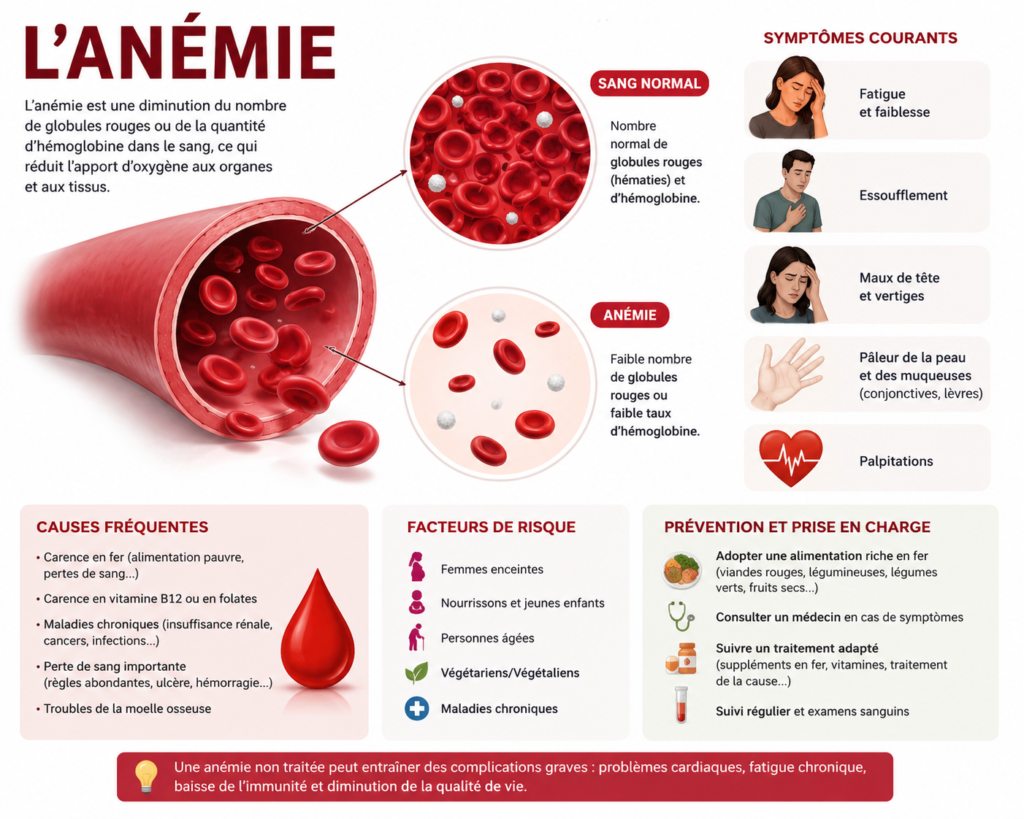
Anemia occurs when the blood fails to carry a sufficient amount of oxygen to the organs.
This is due to: A decrease in the number of red blood cells.
A drop in hemoglobin levels (the iron-rich protein that transports oxygen).
When oxygen supply is insufficient, the entire body 'suffocates' and slows down its functions."
2. Making the distinction: Mild anemia vs. Severe anemia
To act responsibly, it is essential to distinguish between these two states:
A. Mild anemia: Chronic fatigue
Often caused by minor nutritional deficiencies, heavy periods, or poor intestinal iron absorption.
- Symptoms: Persistent fatigue (even after a full night's sleep), mild pallor, cold hands and feet, dizziness when standing up quickly, or brittle nails.
- Approach: This is the ideal area for natural solutions, a healthy diet, and microbiome support to gently restore balance.
B. Severe anemia: A medical emergency
Here, the hemoglobin level drops critically. Causes can include internal bleeding, autoimmune diseases, or bone marrow failure.
- Symptoms (requiring immediate attention): Shortness of breath at the slightest exertion, heart palpitations, chest pain, extreme pallor, or fainting.
- Approach: This is a medical emergency. Diet alone is no longer sufficient. Iron infusions, vitamin injections, or blood transfusions are vital to protect the heart.
3. The root causes: The role of the gut
Whether mild or severe, anemia often takes root in the digestive system:
- Microbiota and dysbiosis: When good bacteria are replaced by yeast or pathogens, the intestinal barrier is compromised, blocking the absorption of iron, minerals, and vitamins.
- Gastric aggressors: Infections such as Helicobacter pylori or inflammatory diseases prevent the body from assimilating dietary iron.
- Environmental toxicity: Exposure to heavy metals (such as lead) disrupts hemoglobin synthesis.
- Modern diet: Ultra-processed foods damage the gut flora and hinder nutrient absorption.
4. Natural strategies for mild anemia and prevention
Your body possesses a remarkable capacity for self-healing if given the proper tools.
- Cooking techniques: Use cast iron cookware to naturally transfer small amounts of iron into your dishes. Opt for gentle steam cooking.
- The keys to assimilation:
- Vitamin C: Consumed during a meal, it triples the absorption of plant-based iron.
- Folates (B9) and B12: Essential for the production of healthy red blood cells.
- Natural probiotics: Incorporate fermented foods (sauerkraut, kefir) to repair the gut.
- Superfoods to prioritize:
- Greenery rich in chlorophyll: fresh parsley, spinach, cilantro, celery, asparagus.
- Legumes: lentils, chickpeas, dried beans.
- Blood boosters: beetroot, artichoke, spirulina, liquid chlorophyll, blackstrap molasses.
- High-quality proteins: organic beef liver (consumed in moderation) remains one of the most potent sources of iron.
5. What to avoid (iron blockers)
- Tea and coffee: Their tannins bind to iron and inhibit its absorption. Consume them at least one hour before or two hours after meals.
- Excess of dairy products: An excessively high calcium intake competes with iron.
6. The "Boost" ritual after meals
- Assimilation drink: After the meal, drink the juice of a fresh lemon in half a glass of lukewarm water with a little grated ginger. The acidity and vitamin C awaken digestive enzymes, facilitating the absorption of iron.
- Expert advice: Add a few drops of propolis to sanitize the gut and strengthen your defenses.
In summary: the 4 key points
- To distinguish Recognize the difference between chronic fatigue and severe symptoms (palpitations, shortness of breath) which constitute a medical emergency.
- Heal the gut: A healthy intestinal flora is essential for iron absorption.
- Combine with: Always pair plant-based iron with vitamin C for optimal absorption.
- Avoid: Keep tea, coffee, and dairy products away from your main meals.
Balance between nature and caution
Anemia is not a fatality; it is a signal sent by your body. While mild forms can be managed beautifully through a living diet and a well-cared-for gut, respecting nature also means knowing its limits. In the face of severe anemia, emergency medicine is essential. Listen to your body and make your diet your first medicine!
June 13, 2026
Sarah Martinez
Related articles