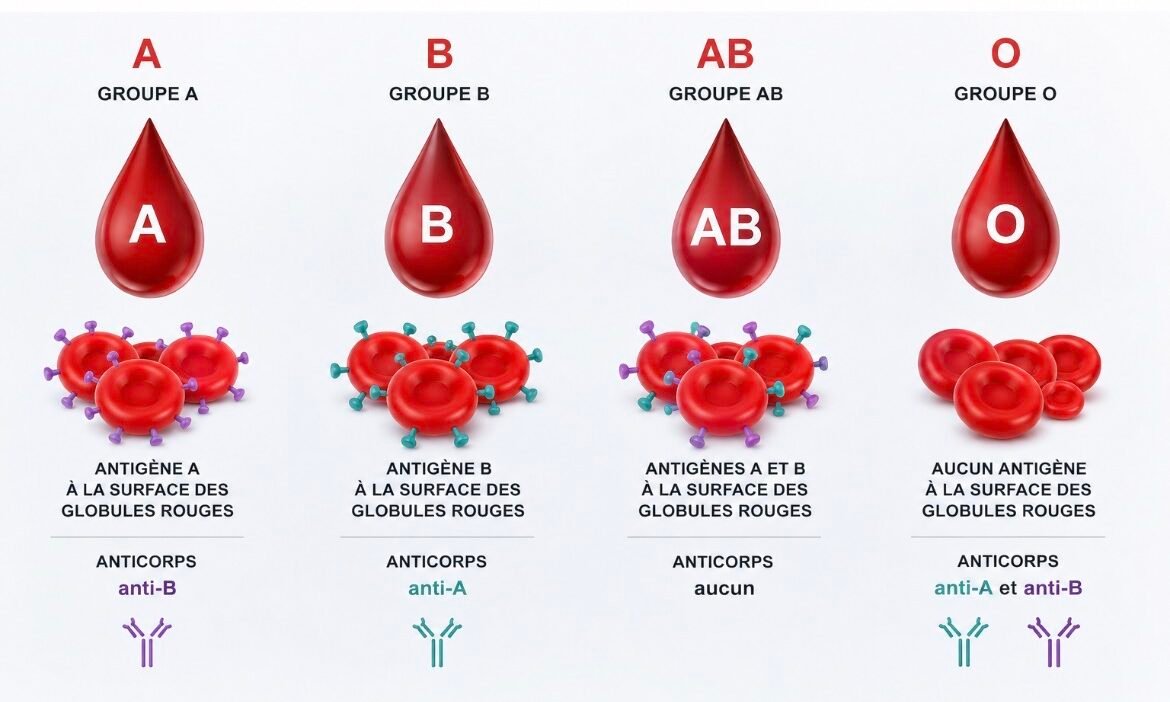


Blood type B, which accounts for approximately 10% of the French population, is often associated with the qualities of creativity, optimism, and independence. This blood type is known for its unique personalities and distinct dietary preferences. In this article, we will explore the characteristics of blood type B individuals, as well as the dietary recommendations proposed for them according to Dr. Peter D’Adamo’s theory.
In my personal experience, people with blood type B are often the ones who best handle travel and changes in diet. Their digestive system seems more 'adventurous' than average, which perfectly aligns with the 'Nomad' image described below.
Character Traits of Blood Type B
Blood type B individuals are frequently described as:
- Creative and Independent: They have a free spirit and love to explore new ideas. Their originality and passion allow them to develop unique projects.
- Cyclothymic: Their state of mind can vary considerably, often influenced more by their mood than by external circumstances. This whimsical nature makes them both fascinating and unpredictable.
- Optimistic and Enthusiastic: They live in the present moment and are easily carried away by their enthusiasm. Their responsiveness and ability to adapt to change are major assets.
- Rebellious and Impulsive: Their desire for independence can make them difficult to integrate into hierarchical structures. They may also be perceived as selfish or irresponsible due to their strong will to live by their own rules.
Recommended Diet for Blood Type B
Dr. D’Adamo defines individuals with blood type B as 'Nomads.' Their diet should therefore be rich in dairy products as well as a variety of foods to increase their energy and promote healthy digestion. Below are the dietary recommendations for this blood type.
Proteins
- Fish and Seafood: Sardines, mackerel, caviar, and salmon are recommended. On the other hand, it is best to limit shrimp, crab, anchovies, oysters, and mussels.
- Meat: White meats such as rabbit and turkey are to be preferred, while chicken and duck should be consumed in moderation. Regarding red meats, they are better tolerated than for other groups, but it is advised to avoid pork and bacon.
- Legumes: Type B individuals should lean towards white beans and broad beans, while limiting chickpeas, lentils, and soy.
Dairy Products
Dairy products are an important source of nutrients for individuals with blood type B. They should prioritize yogurt, fromage blanc, and hard cheeses, while limiting blue cheeses and ice cream. Note: Unlike other groups, plant-based milks (particularly soy and coconut) as well as tofu are not recommended for blood type B."
Cereals
Individuals with blood type B should limit their consumption of wheat, buckwheat, and corn. Conversely, rice flour, oats, and spelt are favorable choices.
Fruits and Vegetables
Although most fruits and vegetables are beneficial, it is advisable to limit the consumption of olives, tomatoes, radishes, avocado, persimmon, and pomegranate for this blood type.
Beverages
Type B individuals should moderate their consumption of sodas and carbonated beverages, while prioritizing still water and sugar-free herbal teas.
Herbs and Condiments
"Many spices such as parsley, saffron, paprika, and pepper are beneficial or neutral. However, it is recommended to limit aspartame, cinnamon, and soy sauce.
Physical Activity
Regarding exercise, Dr. D'Adamo recommends that individuals with blood type B include meditation sessions to calm their active minds, and practice strength training 2 to 3 times a week for 25 to 30 minutes each. This combination will help them maintain mental and physical balance.
Blood type B is associated with character traits such as creativity, independence, and optimism, but also with more impulsive and rebellious behaviors. By adapting their diet to their specific needs and incorporating appropriate exercises, individuals with blood type B can optimize their well-being and health.
"As always, it is recommended to consult a healthcare professional or a nutritionist before making significant changes to one's diet or lifestyle.
April 24, 2026
Sarah Martine
Related articles