
In the “Alternative Care & Wellness” category, we are exploring an innovative, fascinating, and deeply liberating therapeutic approach: gut-directed hypnotherapy (or visceral hypnotherapy). You have almost certainly heard of hypnosis for smoking cessation or stress management. But do you really know how this method is used today by the medical community to heal inflamed microbiomes, soothe mucous membranes, and relieve chronic digestive disorders?
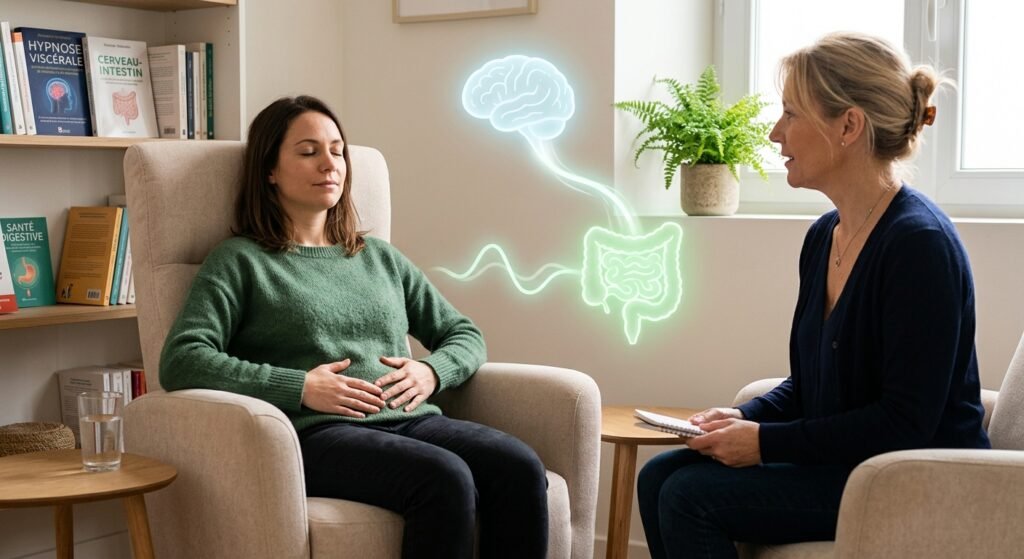
Far more than a simple relaxation technique, visceral hypnotherapy relies on one of the most major medical discoveries of our time: the existence of permanent, two-way communication between our higher brain and our "second brain"—the enteric nervous system lining our intestines.
1. Two Brains in Dialogue: Understanding the Gut-Brain Axis
To understand the effectiveness of visceral hypnosis, one must first grasp the biological and neurological dynamics linking the head to the gut.
- The Neuro-Digestive Vision (The Role of the Vagus Nerve):The gut contains over 500 million neurons. Through the vagus nerve and the autonomic nervous system, the brain and the digestive system exchange millions of signals every second.
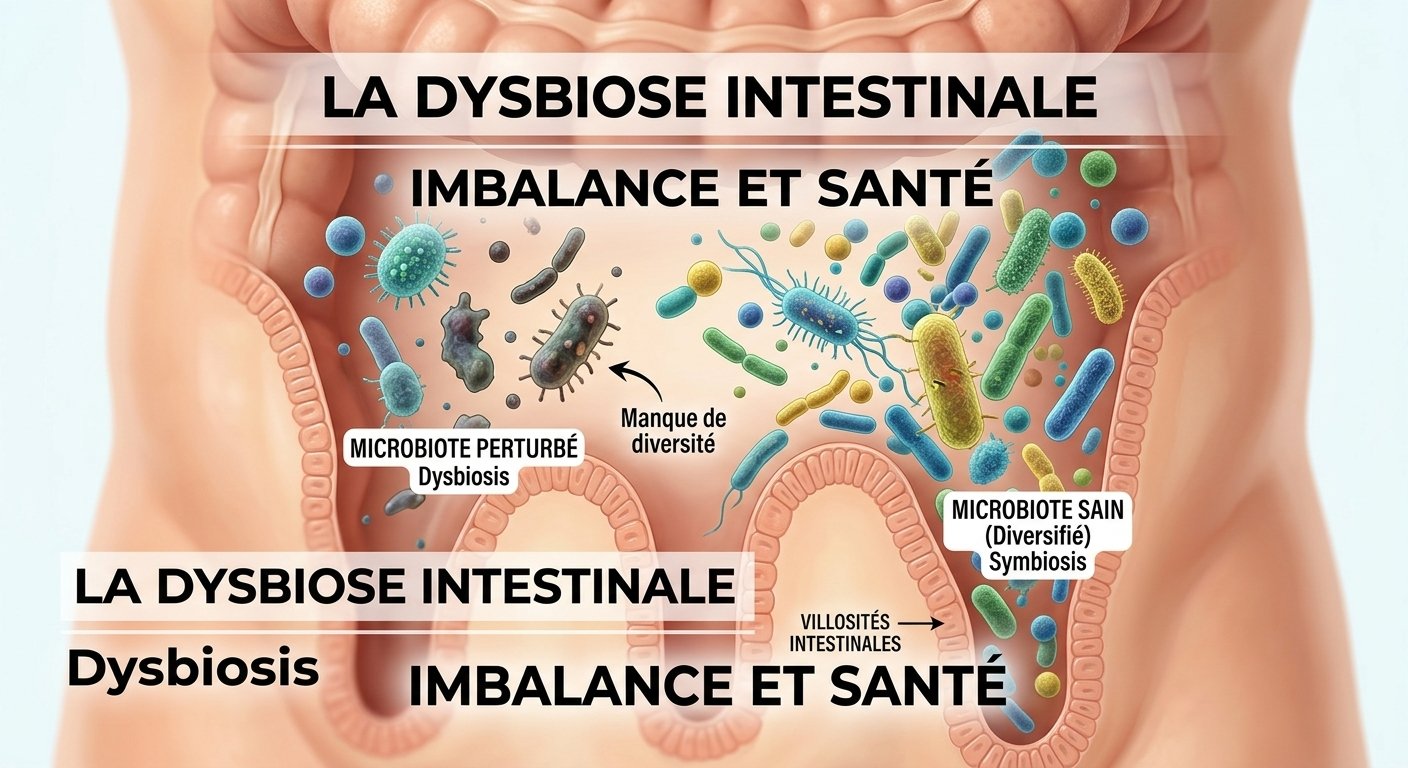
- Visceral Hypersensitivity and the Role of Inflammation:In cases of intestinal inflammation or chronic irritation, pain receptors in the intestinal wall become hyperactive. The brain perceives even normal contractions as intolerable spasms.
- The Vicious Cycle of Stress:Stress and anxiety release hormones (such as cortisol) that increase intestinal permeability, alter the gut flora, and sustain inflammation in subcutaneous and deep tissues.
- Recalibration Under Hypnosis:Hypnotherapy acts directly as a signal regulator. By altering the brain's perception of digestive signals, it soothes nervous hyperactivity and allows the intestinal muscles to regain smooth, natural movement.
2. What Modern Science Tells Us
Developed in the 1980s by Professor Peter Whorwell at the University of Manchester, visceral hypnotherapy is now backed by an international scientific consensus. Clinical studies highlight precise physiological mechanisms:
- Validated 70–80% Efficacy: A landmark study published in The Lancet Gastroenterology & Hepatology confirms that targeted hypnotherapy leads to a significant and lasting reduction in digestive symptoms for nearly 80% of patients suffering from chronic gut disorders.
- Long-Term Maintenance of Benefits: A prospective study in Alimentary Pharmacology & Therapeutics followed patients for five years after treatment: the vast majority maintained major clinical improvement without needing additional sessions.
- Action on Permeability and Inflammation: Research published in Gut demonstrates that the hypnotic trance state reduces the secretion of pro-inflammatory cytokines and normalizes the intestinal epithelial barrier by lowering the impact of oxidative stress.
3. Recognized Daily Benefits (And a Remarkable Testimonial on Flare-Up Remission)
Targeted hypnotherapy offers a broad spectrum of physiological and psychological benefits for digestive comfort:
- Dramatic Reduction in Pain and Spasms: By reprogramming how the brain interprets pain, burning sensations and cramps gradually fade.
- Regulation of Bowel Transit: Whether slowing down hyperactive transit or stimulating sluggish digestion, the normalization of peristaltic waves restores regularity.
- Significant Decrease in Bloating: Deep muscular relaxation of the diaphragm and abdominal wall promotes better gas evacuation and reduces abdominal distension.
- A Remarkable Testimonial on Flare-Up Remission:"For over four years, every meal had become a source of anxiety due to burning sensations and severe spasms. By the third session of visceral hypnosis, I learned to visualize a wave of soothing coolness spreading through my gut. The flare-ups became less frequent, and their intensity dropped by 80%. For the first time in years, I was able to reintroduce foods I thought were banned forever and regain a peaceful daily life." — Élodie M., 38 (Lyon)
4. Testimonials and International Popularity
While the practice was long reserved for a few pioneering centers, it has now won over both the medical community and the general public worldwide:
- Integration in University Hospitals: In France, renowned hospitals (such as those in Paris, Lyon, and Marseille) integrate hypnotherapists into their hepato-gastroenterology departments and offer digestive self-hypnosis workshops.
- Adoption by Public Figures and Athletes: Many elite athletes and public figures facing irritable bowel syndrome linked to competition stress use this method to stabilize their digestion and optimize recovery.
5. Crucial Warning: Do Not Entrust Your Body to Just Anyone!
Faced with the growing success of hypnosis, many people style themselves as practitioners without holding any medical or anatomical qualifications. It is extremely important not to see just anyone.
- Consult a Certified Healthcare Professional: To ensure effective and safe care, there is no need to look for isolated miracles: a general practitioner, gastroenterologist, clinical psychologist, nurse, or physical therapist trained in medical hypnosis (holding a University Diploma in Medical Hypnosis) is more than sufficient. The essential requirement is choosing someone who has mastered digestive anatomy and physiology.
- Demand Complementary Care: Targeted hypnotherapy is in no way a substitute for a rigorous medical diagnosis. It complements gastroenterological follow-up to rule out any pathology requiring heavy medication or surgical intervention.
- Follow the Protocol Consistently: Visceral hypnosis is not a magic wand applied in a single session. It requires commitment to a protocol (generally 4 to 8 sessions) and regular practice of self-hypnosis exercises at home.
Visceral hypnotherapy is a true bridge between contemporary neurology and holistic complementary medicine. By re-harmonizing the dialogue between the brain and the gut, this method offers a natural, scientifically proven, and lasting response to repair the mucosa, soothe inflammation, and restore daily digestive serenity.
Practical Guide: 3 Habits for a Successful Protocol
- Verify Qualifications: Ensure the practitioner is a recognized healthcare professional (doctor, psychologist, nurse) specifically trained in clinical or visceral hypnosis.
- Practice Self-Hypnosis Daily: Listen to recordings or repeat visualizations for 10 to 15 minutes a day between sessions to reinforce the reflex conditioning.
- Adopt a Patient Mindset: The effects on inflammation and sensitivity are gradual. Give your body the time it needs to reprogram its digestive nervous circuits.
Scientific Sources
- Whorwell, P. J., et al. (1984). Controlled trial of hypnotherapy in the treatment of severe refractory irritable-bowel syndrome. The Lancet, 324(8414), 1232–1234.
- Peters, S. L., et al. (2016). Randomised clinical trial: the efficacy of gut-directed hypnotherapy is similar to a low FODMAP diet for the treatment of irritable bowel syndrome. Alimentary Pharmacology & Therapeutics, 44(5), 447–459.
- Hassan, A. M., et al. (2019). Gut-directed hypnotherapy for gastrointestinal disorders: A systematic review and meta-analysis. The Lancet Gastroenterology & Hepatology, 4(6), 460–472.
- Vlieger, A. M., et al. (2012). Discontinuation of gut-directed hypnotherapy in children and adults with functional abdominal pain: long-term follow-up. Gut, 61(2), 230–235.
August 17, 2026
Sarah Martinez
Related articles