
My Experience: The Power of Gentle Botanicals
In our quest to relieve digestive discomfort, we often tend to look for powerful, even harsh remedies. Yet, true healing sometimes lies in absolute gentleness. Mallow—known as Khoubbeiz in Mediterranean traditions—is a plant of rare kindness for our digestive system. Discovering its soothing action reminded me that nature knows how to care for our gut lining with unmatched delicacy.
The Scientific Approach: The Queen of Mucilages
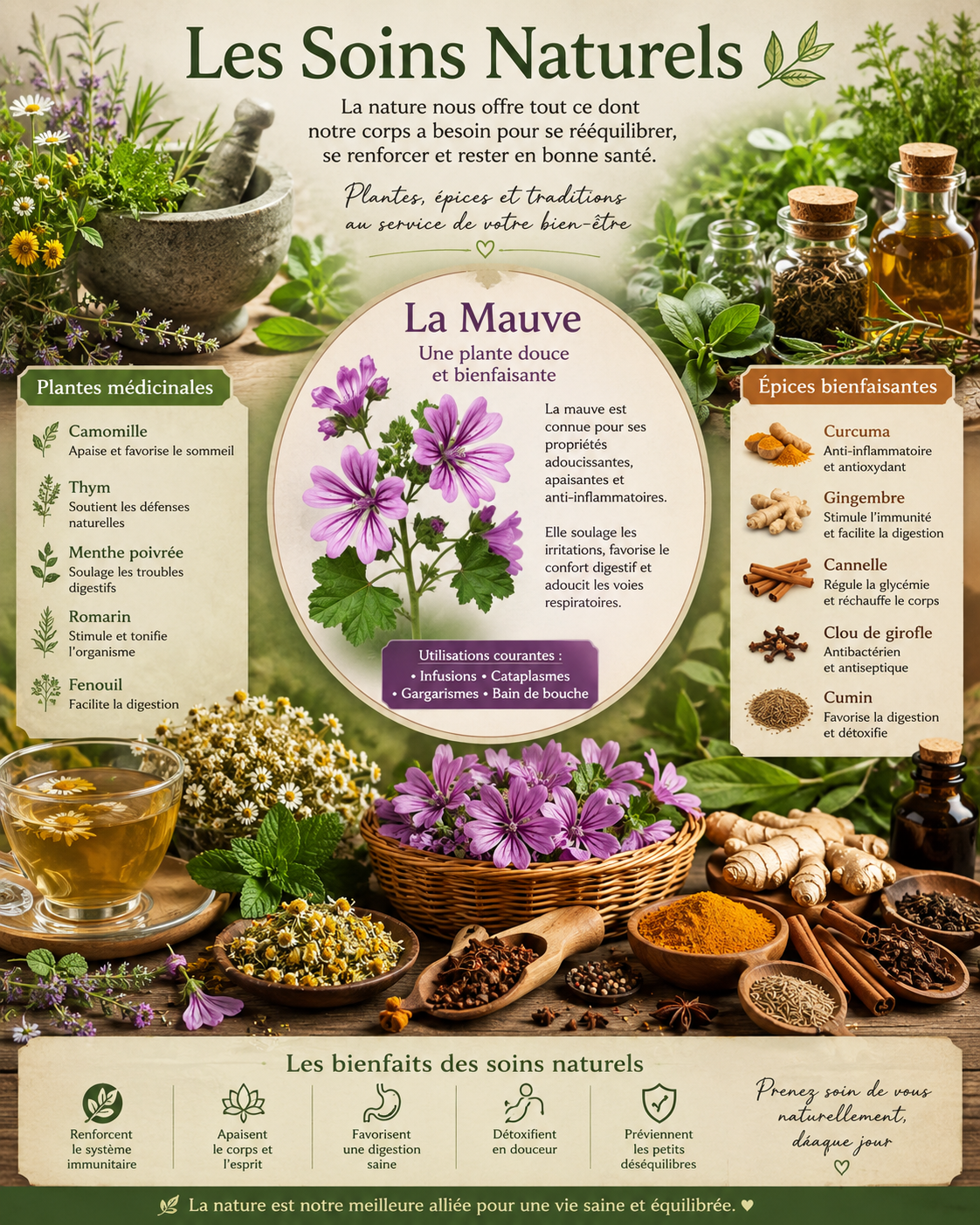
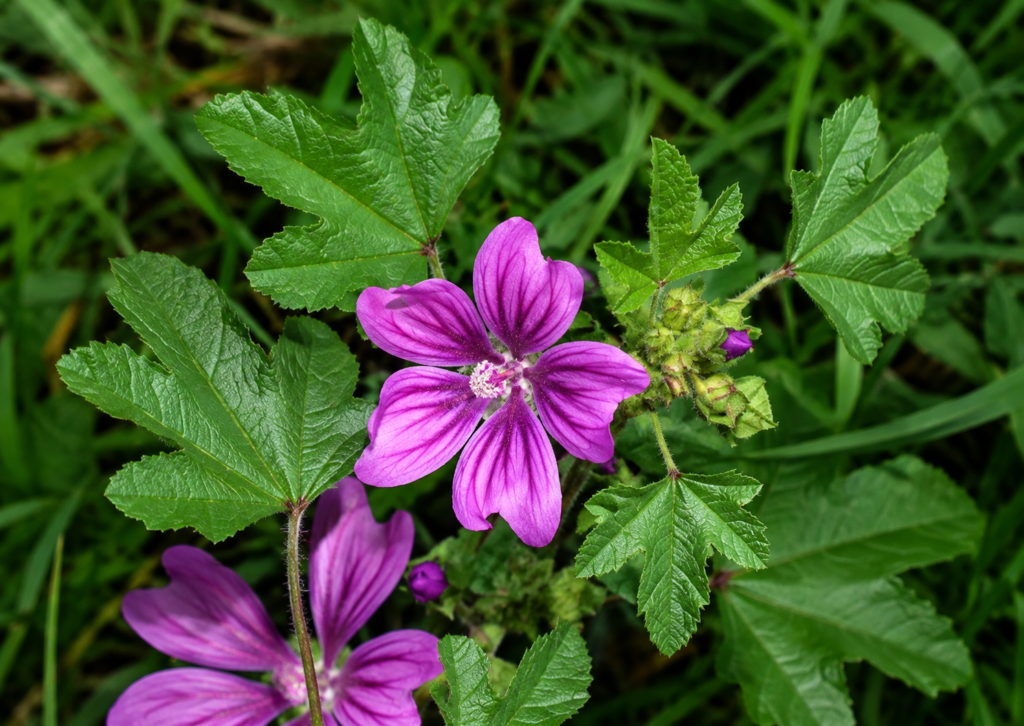
Used since antiquity by leading figures in medicine (such as Hippocrates and Ibn Sina / Avicenna), common mallow (Malva sylvestris) and its cousin marshmallow (Althaea officinalis) are now the subject of numerous botanical and pharmacological studies. Modern science confirms what traditional wisdom has known for centuries: this plant contains an exceptional concentration of mucilages—polysaccharides capable of absorbing water to form a protective, healing gel.
Part 1: Understanding the Plant and Its Biological Mechanisms
How Does Mallow Act on the Digestive Tract?
- The Gastric and Intestinal Shield Effect: Upon contact with water, mucilages absorb liquid and form a soft, viscous film along the stomach and intestinal walls.
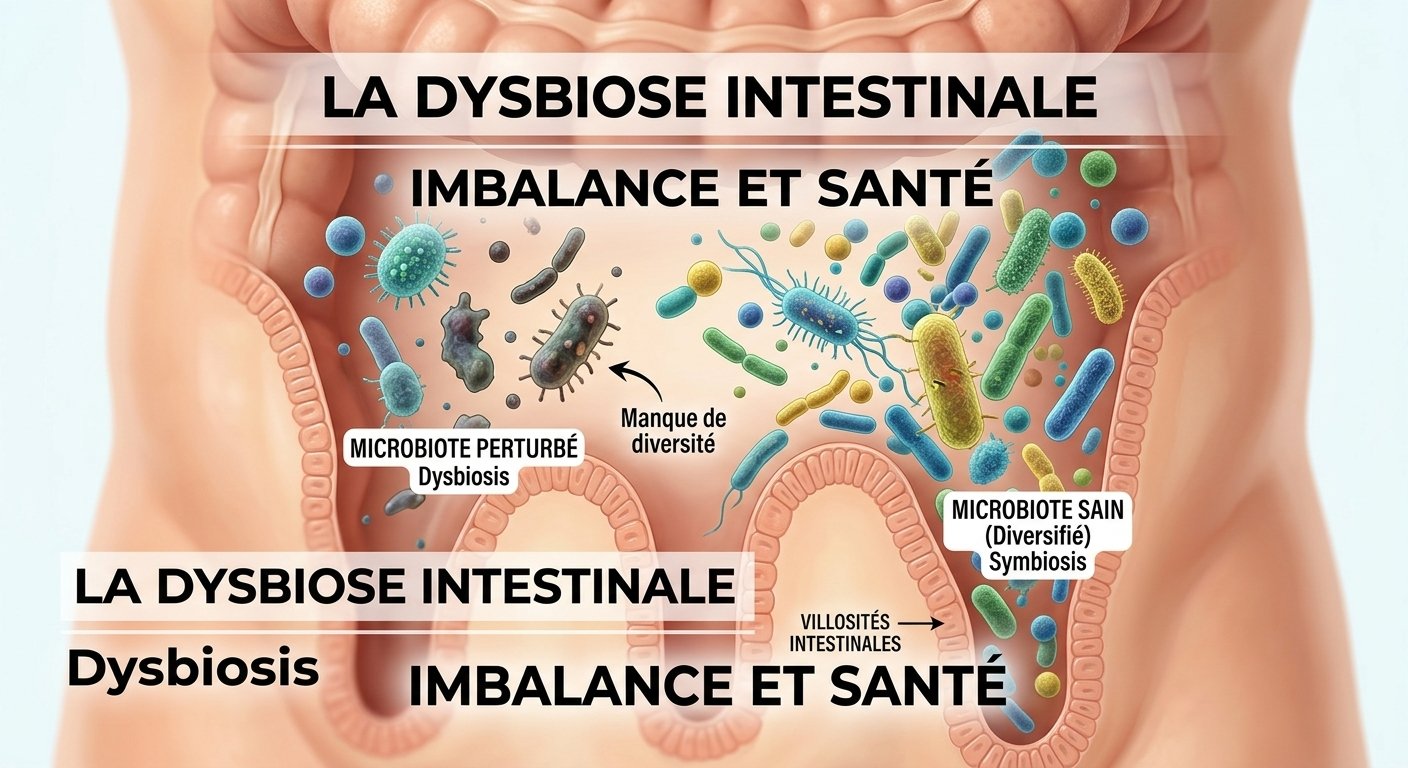
- Protection Against Irritants: This insulating gel shields the fragile mucosa from acidity, irritating digestive enzymes, industrial additives, and pro-inflammatory bacteria.
- Anti-Inflammatory and Soothing Action: Rich in anthocyanins and flavonoids, mallow soothes burning sensations, reduces tissue inflammation, and promotes the regeneration of intestinal barrier cells.
Part 2: Symptoms and Conditions Where Mallow Excels
Mallow is particularly recommended in the following situations:
- Heartburn and Acid Reflux (GERD): It coats the esophagus and stomach to neutralize burning sensations.
- Intestinal Inflammation and Irritations: Ideal for irritable bowel syndrome (IBS), colitis, or meal sensitivity.
- Intestinal Permeability (Leaky Gut): By reducing local inflammation, it helps the gut wall restore its integrity.
- Gentle Constipation and Sluggish Bowels: Unlike irritating laxatives (such as senna), mallow mucilages rehydrate the stool and promote bowel movements without ever irritating the intestine.
Part 3: When to Consult a Healthcare Professional?
Although mallow is exceptionally safe to use:
- Consult a doctor if you experience severe, sudden abdominal pain, vomiting, or a fever.
- In cases of blood in the stool or unexplained weight loss, immediate medical advice is mandatory.
- Precautions for Use: Due to its high mucilage content, mallow may slightly reduce or delay the absorption of certain medications. It is recommended to leave a gap of at least two hours between taking any medical treatment and consuming a mallow infusion.
Part 4: Usage Guidelines and Practical Advice
How to Consume It?
- Mild Infusion (Leaves and Flowers): Steep 1 to 2 tablespoons of dried flowers and leaves in hot water (not boiling, to preserve the active compounds) for 10 to 15 minutes.
- Cold Maceration (To Maximize Mucilage Extraction): Steep the plant in room-temperature water overnight. Strain in the morning and sip throughout the day.
- In Traditional Cooking: Young mallow leaves can be steamed or sautéed with garlic, olive oil, and spices, following the ancestral recipe for Khoubbeiz.
Mallow is a true treasure of natural pharmacopeia. By combining physical protection and cellular soothing, it offers a gentle yet remarkably effective solution to the ailments of our modern diet. Caring for your gut with mallow means choosing the path of gentleness and patience, allowing the body to heal and regenerate.
Scientific references
- Classen, B., & Blaschek, W. (1998). High molecular weight carbohydrates from Mallow (Malva sylvestris L.): Chemical structure and anti-inflammatory activity. Planta Medica, 64(7), 640–644.
- Prudente, A. S., et al. (2013). Pre-clinical anti-inflammatory and gastroprotective activities of Malva sylvestris L. Journal of Ethnopharmacology, 149(1), 338–343.
- Zaghlool, S. S., et al. (2015). Gastroprotective status of mallow against ethanol-induced gastric ulcer in rats. Pharmaceutical Biology, 53(11), 1612–1619.
- Bonaterra, G. A., et al. (2020). Anti-inflammatory and anti-oxidative effects of phyto-extracts from Althaea officinalis L. and Malva sylvestris L. in human intestinal epithelial cells. Frontiers in Pharmacology, 11, 581682.
August 17, 2026
Sarah Martinez
Related articles