
Understanding Osteoarthritis: More Than Just Simple Wear and Tear
Osteoarthritis. It’s a scary word. We often hear it around us: 'I have osteoarthritis; it’s just old age…' But do you really know what happens in your body when you receive that diagnosis? And most importantly, do you know that natural solutions exist to help you live better with it, or even slow down its progression?
In this article, I will explain in simple terms what osteoarthritis is, why it develops, and what you can do to understand it... before finding relief.
Part 1: What exactly is Osteoarthritis?
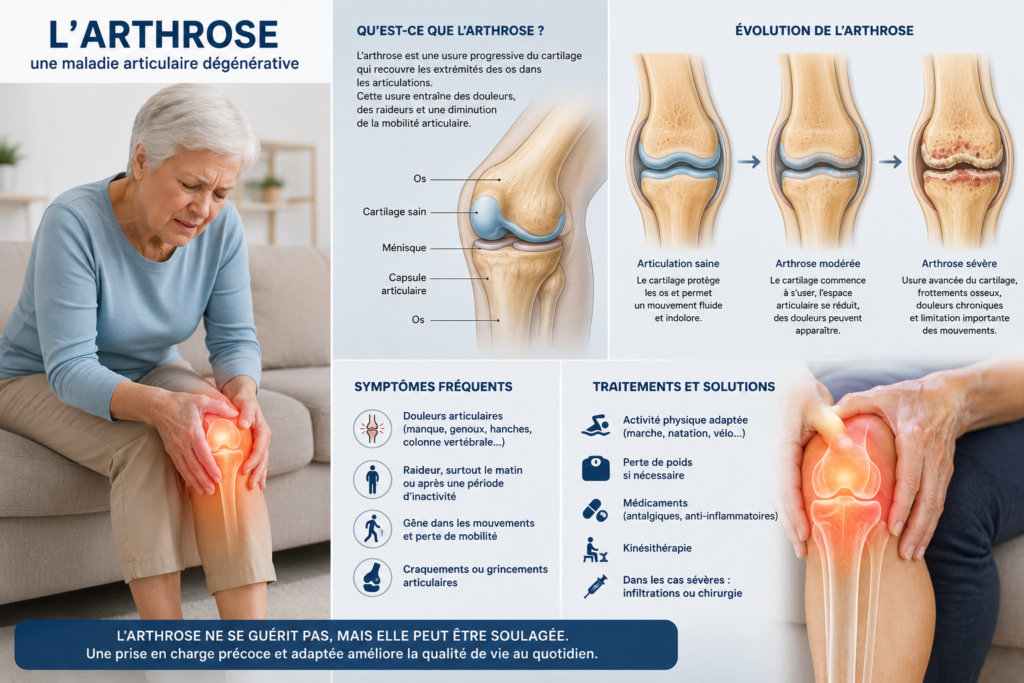
Osteoarthritis is a joint disease. Simply put, it is the progressive wearing down of the cartilage.
Imagine a squeaky door. At first, you apply some oil, and it slides perfectly. But over the years, if you don’t maintain it, the oil evaporates, metal rubs against metal, and the door eventually jams or makes a terrible noise.
In your body, cartilage acts as that 'oil' and 'cushion' between your bones.
- When healthy: it is smooth, elastic, and allows the bones to glide without pain.
- When worn: it becomes rough, thins out, and the bones eventually rub against each other. That is when pain, stiffness, and inflammation appear.
Osteoarthritis is NOT initially an inflammatory condition (like arthritis). It is a mechanical breakdown that, over time, eventually leads to inflammation.
Part 2: Where does Osteoarthritis most often strike?
Osteoarthritis can affect almost any joint, but it has its favorite 'targets':
- The knees (gonarthrosis): The most common form. Every step becomes an ordeal.
- The hips (coxarthrosis): Deep pain in the groin or buttock, often causing a limp.
- The fingers: Joint deformity (Heberden's nodes), stiffness upon waking.
- The spine (lumbar or cervical osteoarthritis): Back and neck pain, sometimes accompanied by tingling in the arms or legs.
Part 3: Why me? Causes and Risk Factors
Osteoarthritis is not an inevitability linked solely to aging. It is a combination of several factors:
- Age: Yes, the risk increases with time. Cartilage wears down naturally.
- Genetics: Some families are more affected than others. You inherit 'weaker' or more fragile cartilage.
- Being overweight: This is the MAJOR factor for knee and hip osteoarthritis. Every extra kilo puts additional pressure on your joints.
- Past injuries: A previous fracture, a severe sprain, a dislocation… Even if it healed 20 years ago, that joint remains more fragile.
- Sex (Gender): Women are more affected than men, especially after menopause. The drop in protective hormones (estrogen) weakens the cartilage.
- Repetitive microtrauma: Certain occupations and activities (tilers, dancers, high-level athletes) place excessive strain on specific joints.
- Chronic inflammation: An overly acidic or high-sugar diet, or an underlying inflammatory disease, can accelerate cartilage wear.
Part 4: Which symptoms should alert you?
Osteoarthritis is often 'silent' at first. It develops insidiously. Here are the tell-tale signs:
- Mechanical pain: Pain appears DURING or AFTER physical activity and eases with REST. (Unlike arthritis, where pain is present at night and upon waking).
- Morning stiffness: You have difficulty getting going in the morning, but it lasts less than 30 minutes (if it lasts longer, arthritis is more likely).
- Cracking (crepitus): Do you hear your knees cracking when you stand up? This is a sign that the cartilage is no longer smooth.
- Deformity: Over time, your fingers or knees may change shape.
- Loss of mobility: You can no longer bend your knee fully or reach for an object up high.
Part 5: Osteoarthritis vs. Arthritis: Don't get them mixed up!
This is a very common mistake. Here is a simple table to tell the difference:
| Criterion | Osteoarthritis | Arthritis |
|---|---|---|
| Nature | Mechanical (wear and tear) | Inflammatory (autoimmune disease) |
| Pain | In the evening, after exertion | The night, the rest |
| Stiffness | Less than 30 minutes in the morning | More than 30 min in the morning |
| Swelling | Sometimes, bony (hard) | Often, articular (soft and warm) |
Part 6: How is it diagnosed?
If you have any doubts, your doctor may request:
- An X-ray: This is the baseline examination. It shows the narrowing of the joint space (the cartilage has worn away), and sometimes osteophytes (bone spurs, which are bony growths that the body creates to stabilize itself).
- A blood test: To rule out inflammatory arthritis. In osteoarthritis, there is NO inflammatory syndrome in the blood (ESR and CRP are normal).
Part 7: What about Natural Medicine in all of this?
Conventional medicine offers painkillers (paracetamol) and anti-inflammatory drugs (ibuprofen) to calm a flare-up. In advanced cases, cortisone or hyaluronic acid injections, or even a prosthesis (surgery), may be considered.
But what can be done on a daily basis, over the long term, without harming your stomach or kidneys?
This is where Natural Medicine comes into play. The goal is not to "replace cartilage" (this is impossible naturally), but to:
- Calm inflammation with plants and a suitable diet.
- Nourish the remaining cartilage with specific nutrients (sulfur, silica, collagen).
- Strengthen the muscles around the joint to better support and relieve it (through gentle movement).
- Relieve the tensions that aggravate the pain (through massage, poultices).
My anti-osteoarthritis kitchen: foods to keep at home
Eating is healing. Here are the foods I recommend always having in your kitchen to relieve osteoarthritis on a daily basis.
- Oily fish (sardines, mackerel, anchovies): These are rich in omega-3s, which calm inflammation. Canned sardines (plain or in olive oil) are both convenient and economical.
- Green vegetables (spinach, broccoli, kale): They provide calcium, magnesium, and vitamin K, which are essential for fixing minerals in the bones.
- Onions, garlic, leeks: These contain natural sulfur compounds that help produce cartilage collagen. I add them to all my dishes.
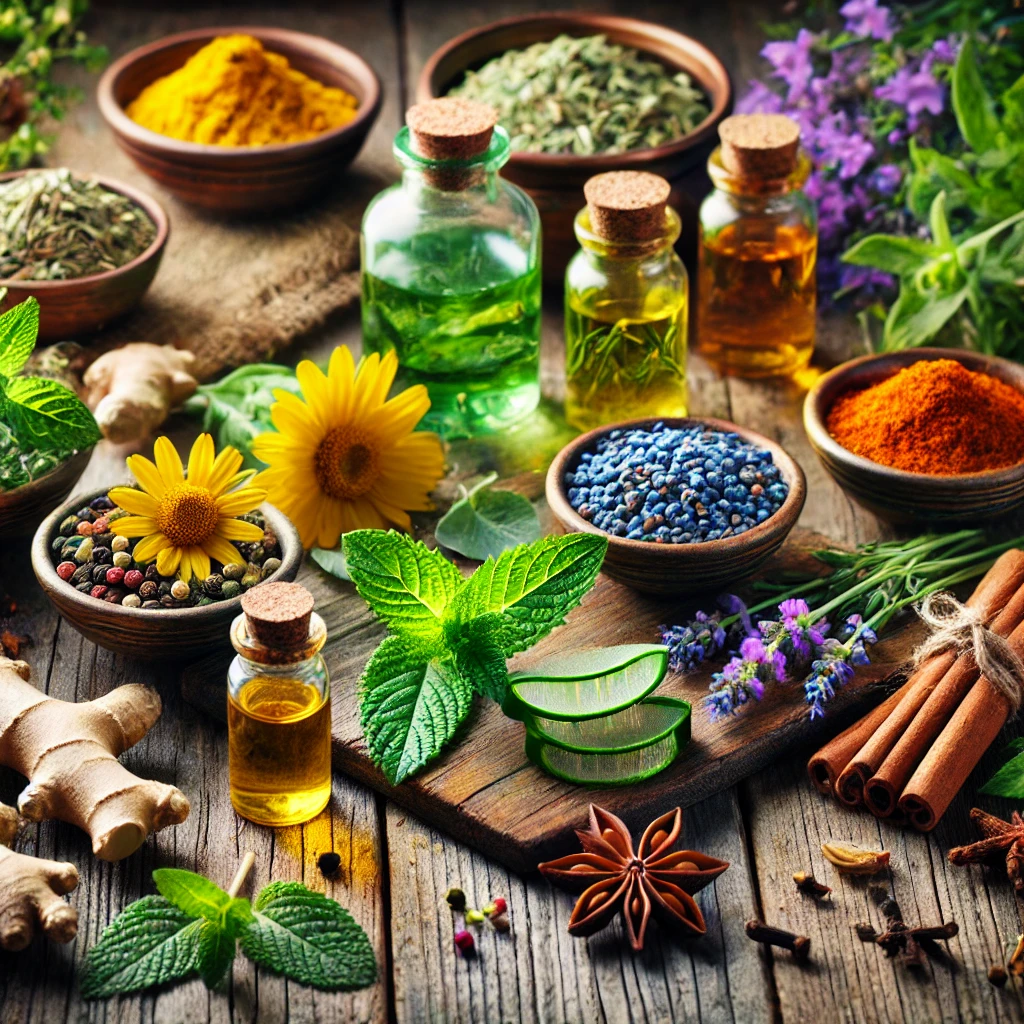
- Turmeric and ginger: These are two very powerful natural anti-inflammatories. I use them fresh or as a powder, in my dishes or as an infusion. A pinch of black pepper with the turmeric multiplies its effects.
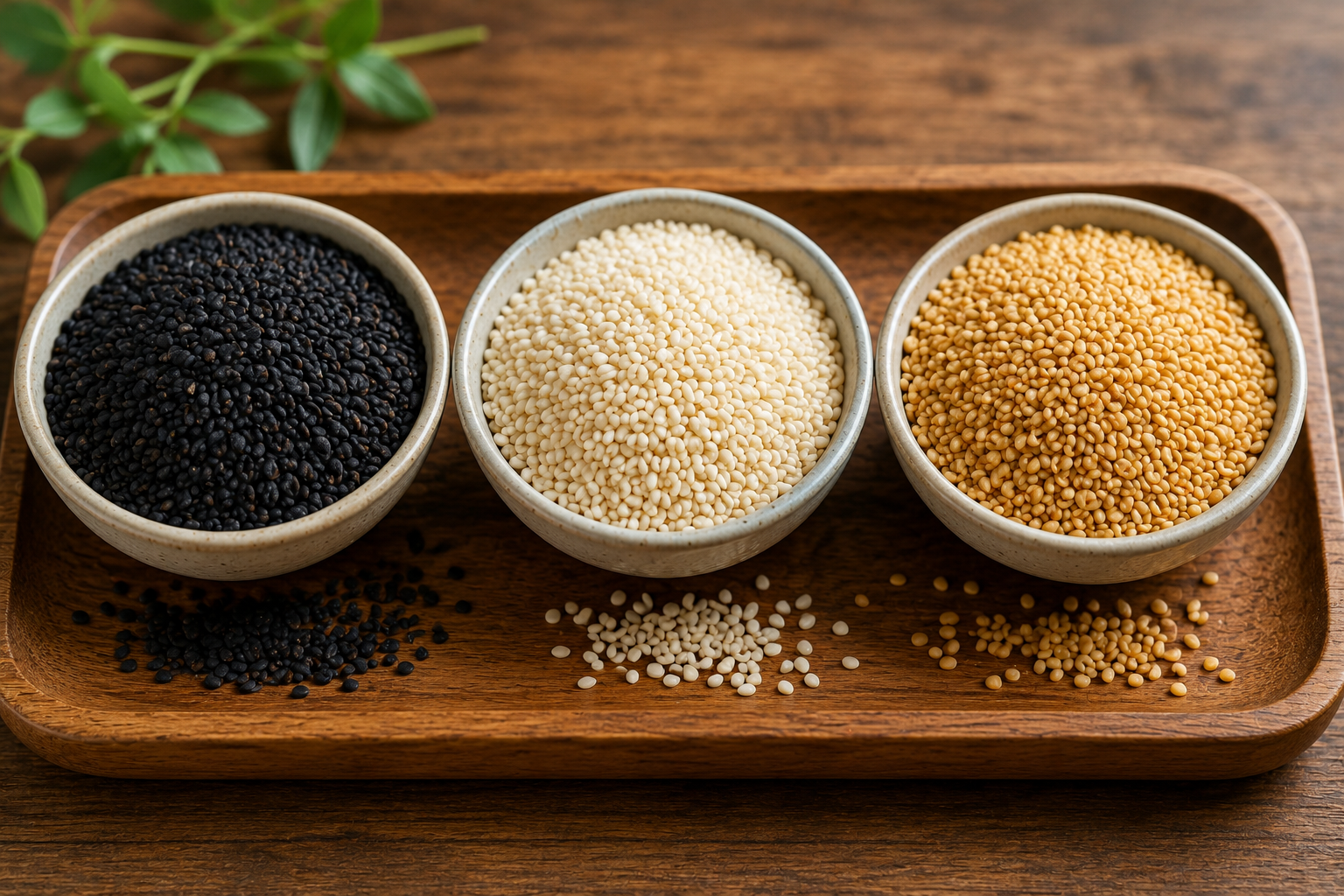
- Nuts and seeds (walnuts, almonds, hazelnuts): Rich in omega-3s and copper, they protect the joints. I eat a small amount every day.
- White meats and bone broth: The collagen contained in bones and cartilage (homemade chicken or beef broth) is excellent for nourishing the joints. I cook bones for a long time to obtain a rich gelatin.
- Spices and herbs (cinnamon, rosemary, thyme): These have anti-inflammatory and antioxidant properties. I use them as my main seasonings.
- Quality oils (olive, rapeseed, walnut): They provide good fats that help reduce inflammation. I use them raw, as a dressing.
What I avoid
I am not telling you this to scare you, but to be honest. When I started to really relieve my osteoarthritis, I also reduced:
- White sugar (it fuels inflammation),
- Processed foods (ready-made meals, industrial deli meats),
- Excess alcohol,
- Bad fats (frying oils, margarines).
Osteoarthritis Isn't an End, It's a Signal
Your body is talking to you. It is telling you that this joint is tired, that it needs attention, gentleness, and better 'materials' to repair itself a little.
Do not lose hope. Understanding the illness is already the first step toward relief.
April 24, 2026
Sarah Martinez
Related articles