

Foot reflexology is an ancient and gentle manual therapy based on the idea that every part of the human body is represented on specific areas, or "reflex zones," located on the feet. Through rhythmic pressures, stroking, and crawling movements performed with the fingers, the reflexologist stimulates these specific areas to restart energy and blood circulation. Used for millennia in various traditions around the world, this global approach aims to relax the nervous system, stimulate the body's self-healing capacities, and encourage the elimination functions of the emunctories. It is a practice particularly sought after to accompany stress management, improve sleep quality, and relieve various chronic daily ailments.
Targeted Action on Diabetes and Stress
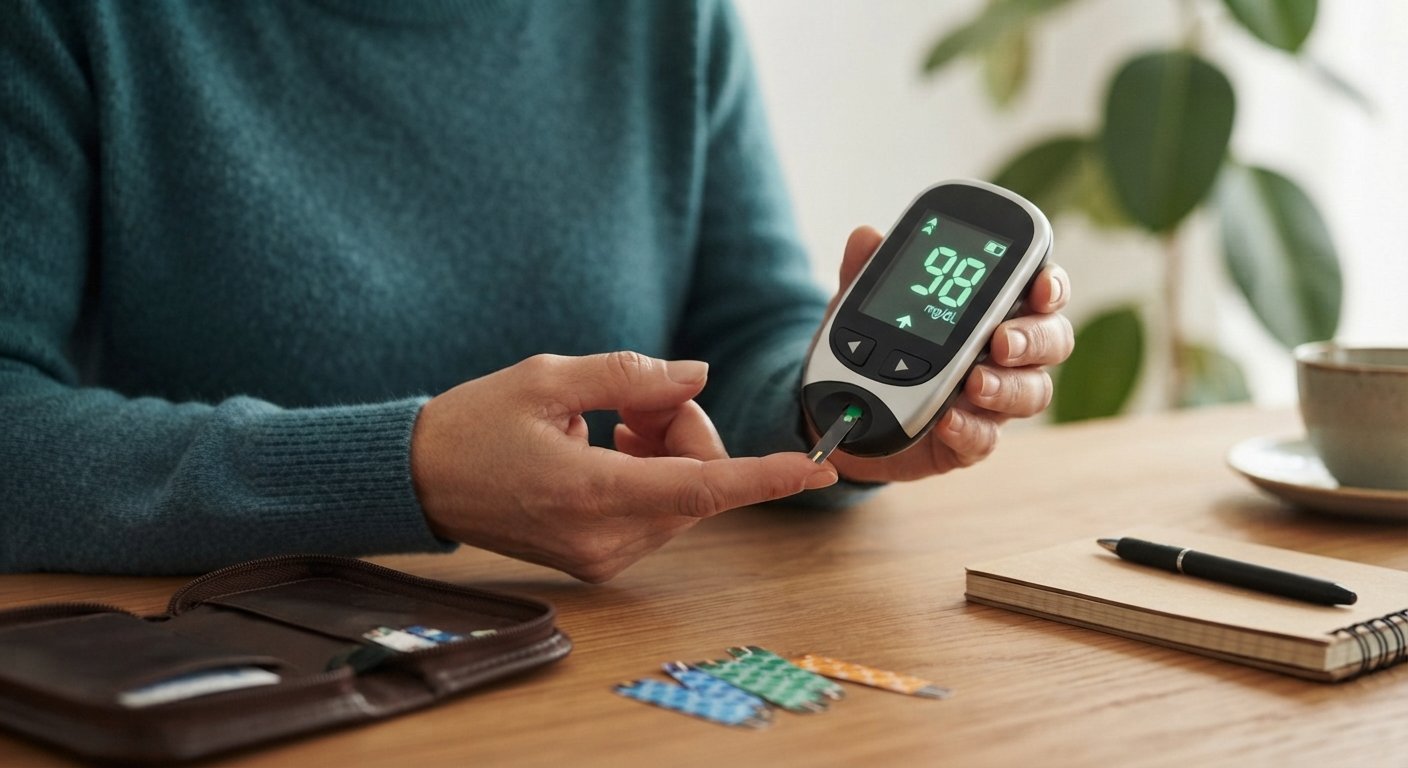
Beyond this general action of relaxation and harmonization of the organism, foot reflexology finds a targeted and valuable application in supporting people living with diabetes. By specifically stimulating the reflex zones under the feet that correspond to the pancreas, liver, adrenal glands, and endocrine system, the therapy promotes better regulation of hormonal secretions. Physiologically, this work helps lower chronic stress levels and reduce cortisol spikes — a hormone that, as we know, directly disrupts blood sugar balance. Furthermore, by activating microcirculation, it contributes to improving tissue oxygenation and preventing certain peripheral complications related to the disease, thereby offering complementary and non-invasive support to help stabilize blood sugar levels on a daily basis.
A Global Health Approach
Practiced regularly in addition to rigorous medical monitoring, foot reflexology thus harmoniously integrates into a global health approach. It allows the patient to reconnect with their body, soothe the psychological tensions often associated with managing a chronic disease, and offer their purifying organs welcome physical and energetic support.
August 24, 2026
Sarah Martinez
Related articles