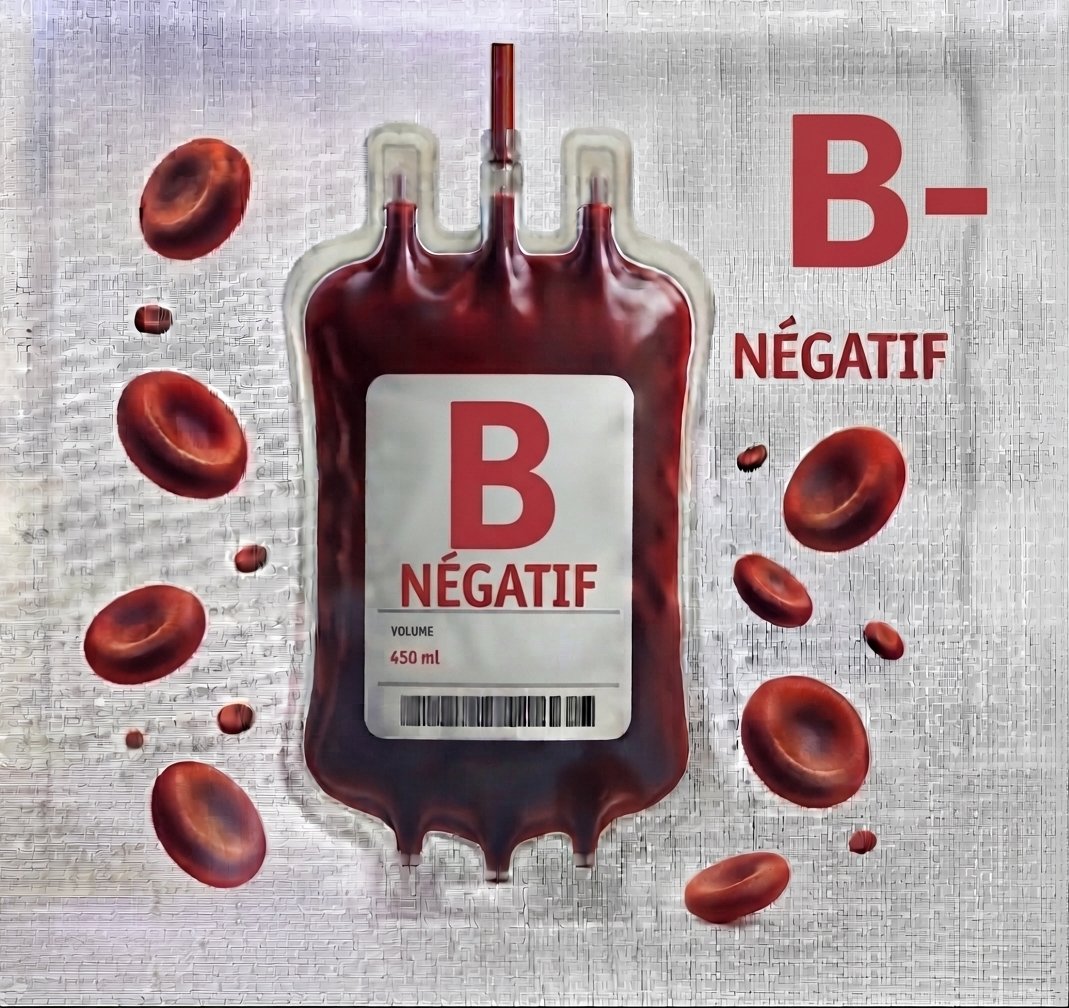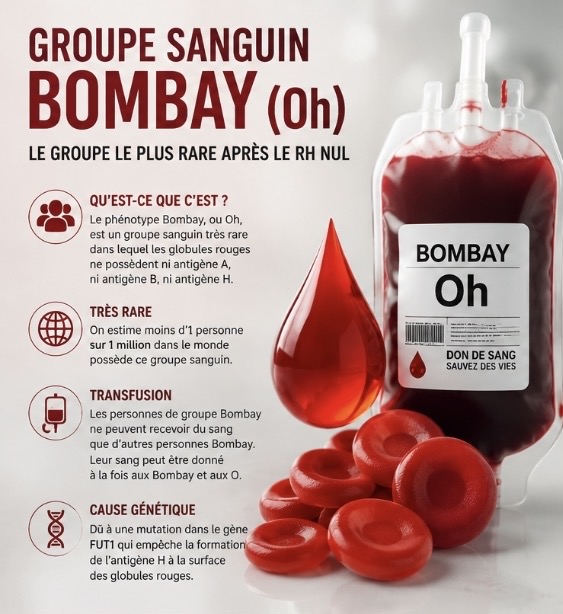
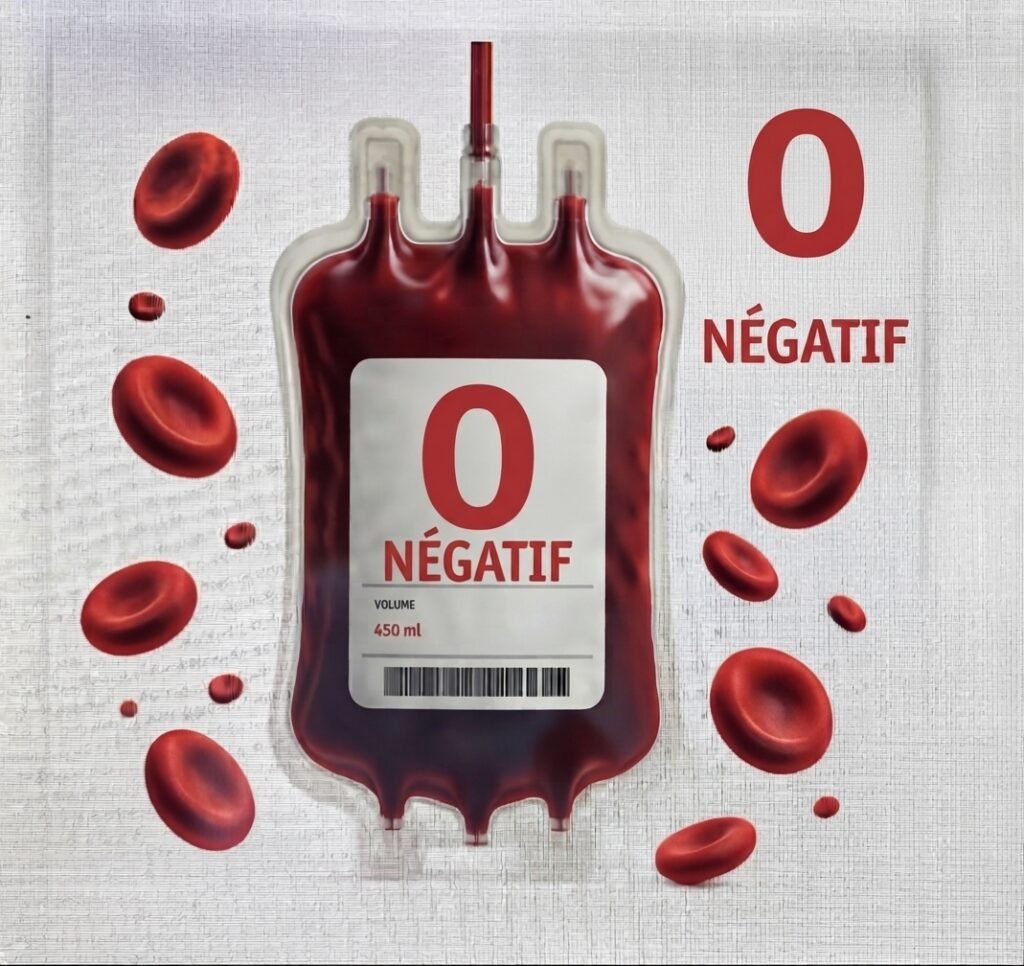
Blood type O negative fascinates both medicine and the collective imagination. Representing barely 6% to 7% of the population, it is simultaneously the universal donor indispensable in vital emergencies and the subject of numerous beliefs concerning temperament and vitality. Far from the beaten path of classical Western biology, exploring this group involves intersecting physiology, alternative naturopathy, and Asian cultural reading grids, notably the Japanese tradition of ketsueki-gata.
The Biological Profile: The Exceptional Universal Donor
On a purely hematological level, the O negative red blood cell carries neither the A nor the B antigen, nor the Rhesus factor. This total absence of surface markers makes it the safest type for emergency transfusions because it does not trigger an immune rejection in the vast majority of recipients.
- An ultra-precious resource: Blood banks depend critically on O negative donors during disasters, severe traumas, or for newborns requiring immediate transfusions.
- The inverse constraint: Paradoxically, a person with this group can only receive O negative. In times of shortage, their transfusion safety
- depends entirely on the solidarity of other donors from their own group.
The Psychology of Blood: The Perspective of Ketsueki-gata
In the West, the idea that a blood type could determine personality is quickly dismissed by conventional science. Yet, in Asian popular culture, and particularly in Japan, the influence of blood type is an integral part of social, professional, and intimate life.
Even though the concept of ketsueki-gata traditionally classifies individuals by major ABO group without strictly isolating the Rhesus negative factor, the characteristics attributed to group O take on their full meaning here:
- The pioneer spirit: The Japanese often describe group O profiles as natural leaders, endowed with unshakable optimism and a fierce will to succeed.
- The hunter temperament: Directly linked to Peter D’Adamo's anthropological theory, group O is perceived as the heir to the earliest humans: active, resilient, instinctive, but sometimes prone to stubbornness or impatience in the face of stagnation.
This cultural approach does not seek to replace modern psychology; it offers a stimulating narrative grid for understanding how the individual perceives themselves and interacts with their environment.
Nutritional Approach: The Foundations of the Hunter Diet
Naturopathy inspired by blood types postulates that each metabolic profile reacts differently to nutrients based on its historical evolution. For group O, nutrition is structured around precise principles:
- The protein pillars: An increased tolerance and need for quality animal proteins (lean meats, fish rich in essential fatty acids like trout or tuna) to support an energetic metabolism.
- Targeted avoidances: A marked limitation of dairy products and modern grains containing gluten, often pointed out in this holistic vision as sources of digestive inflammation.
- Plant-based alternatives: The use of digestible options like rice, quinoa, as well as a rigorous selection of adapted vegetables and fruits to maintain acid-base balance.
Movement and Vitality: The Vital Need for Action
For type O temperaments, physical exercise is not reduced to simple weight management: it is a fundamental psychological and hormonal regulator.
- Expenditure and balance: Naturopathic approaches advocate sustained cardiovascular activities or intense workouts to channel energy and evacuate accumulated stress.
- The impact on mood: Prolonged inactivity is often perceived in these profiles as a factor of lethargy or lowered morale. Movement thus imposes itself as a true natural treatment for daily well-being.
Blood type O negative embodies a fascinating duality: a biological status of altruistic rarity at the service of others, combined with a behavioral profile of a fighter. By crossing the rigor of emergency medicine, the wisdom of Eastern traditions, and the fine listening of one's own physiological needs, everyone can find the keys to a singular and personalized life balance.
September 9, 2026
Sarah Martinez
Related articles