
Since the dawn of time, every culture has had to deal with the challenges of its environment and metabolism. Long before the advent of modern medicine, peoples around the world observed, tested, and transmitted fascinating botanical knowledge to regulate blood sugar and restore strength to the body. Today, modern science is taking a very close look at these traditions. The common thread among all these approaches? No mysterious powders or ultra-processed supplements: only raw plants, authentic spices, and simple rituals prepared in bags or infused in water. Let's set off together on a world tour of the most powerful traditional remedies to support metabolic health safely.
1. The Arab-Oriental World: Secrets of Spices and Traditions
The Middle East and the Mediterranean basin are full of aromatic treasures to support the digestion of sugars and soothe metabolism:
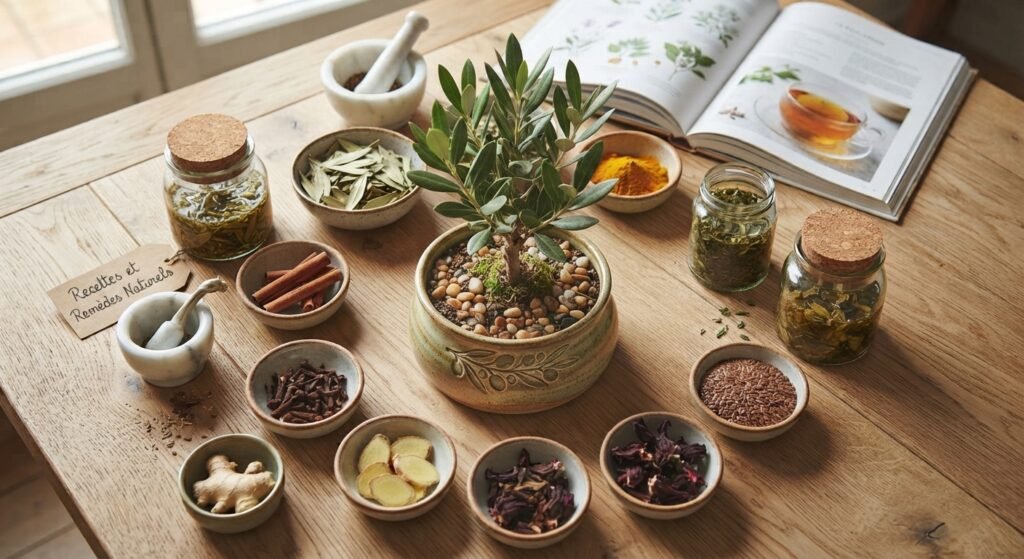
- Olive leaf and sage decoction: Boil a few leaves of officinal sage with a cinnamon stick for 5 minutes, a traditional combination to support glycemic balance after carbohydrate-rich meals.
- Green cardamom and dried lemon zest (Louomi) infusion: Infuse two crushed cardamom pods and a piece of dried lemon zest in hot water, traditionally taken to facilitate the digestion of sugars and soothe the pancreatic system.
- Ceylon cinnamon and clove infusion: Infuse half a teaspoon of cinnamon powder and one clove in simmering water for 10 minutes, to be drunk between meals to help stabilize blood sugar.
- Fenugreek seeds and lukewarm water mixture: Soak a teaspoon of fenugreek seeds (hulba) in a glass of water overnight, then strain and drink the water in the morning on an empty stomach to support insulin sensitivity.
2. The Indian Tradition (Ayurveda): The Power of Sacred Roots and Leaves
In India, Ayurveda uses extremely powerful plants to target glucose metabolism:
- Karela (bitter melon) juice: Extract the juice of a small fresh bitter melon, dilute it generously in water (or combine it with a little apple or lemon juice to soften the bitterness). This is one of the most powerful and traditionally documented Ayurvedic remedies for blood sugar management.
- Fenugreek seeds and curry leaves infusion: Boil a teaspoon of fenugreek seeds with about ten fresh curry leaves in water for 10 minutes, strain, and drink in the morning.
- Gymnema (Gurmar) leaves infusion: Infuse gymnema leaves (known in India as the sugar destroyer) in hot water for 10 minutes, to be consumed to moderate the craving for sugar and regulate blood sugar levels.
- Turmeric and neem or cinnamon leaf powder mixture: A pinch of turmeric combined with a pinch of cinnamon in lukewarm water in the morning, traditionally used for its protective virtues on the pancreas.
3. The Asian World (China, Japan, Korea): Harmony of Roots and Mushrooms
East Asia relies on purifying infusions and recognized adaptogens:
- Burdock root (Gobo in Japan) infusion: Simmer slices of dried or fresh burdock root in water for 15 to 20 minutes. This root is widely used in East Asia to purify the blood and improve insulin sensitivity.
- Reishi or Maitake mushroom decoction: Simmer pieces of dried mushrooms in water for 20 minutes. These medicinal mushrooms are an integral part of traditional Asian pharmacopoeias to naturally modulate blood sugar levels.
- Red ginseng infusion: Infuse thin slices of red ginseng root in hot water for 15 minutes, a traditional beverage recognized for supporting glucose metabolism and reducing insulin resistance.
- Buckwheat tea (Sobacha) or green tea (Camellia sinensis): Regularly drink unsweetened green tea or roasted buckwheat for their contributions of antioxidant polyphenols that protect cells against sugar-related oxidative stress.
4. The Western World (France, Great Britain, USA...): Undergrowth Herbalism
Europe and the West possess a long tradition of plants for metabolic support:
- White bean pod decoction: Boil a handful of dried white bean pods (husks) in a liter of water for 20 minutes, then let steep. In traditional European herbal medicine, this preparation is renowned for its supportive action against excess sugar.
- Burdock and wild chicory infusion: Mix dried burdock and chicory roots to prepare a bitter infusion traditionally drunk to stimulate the liver and gently regulate carbohydrate metabolism.
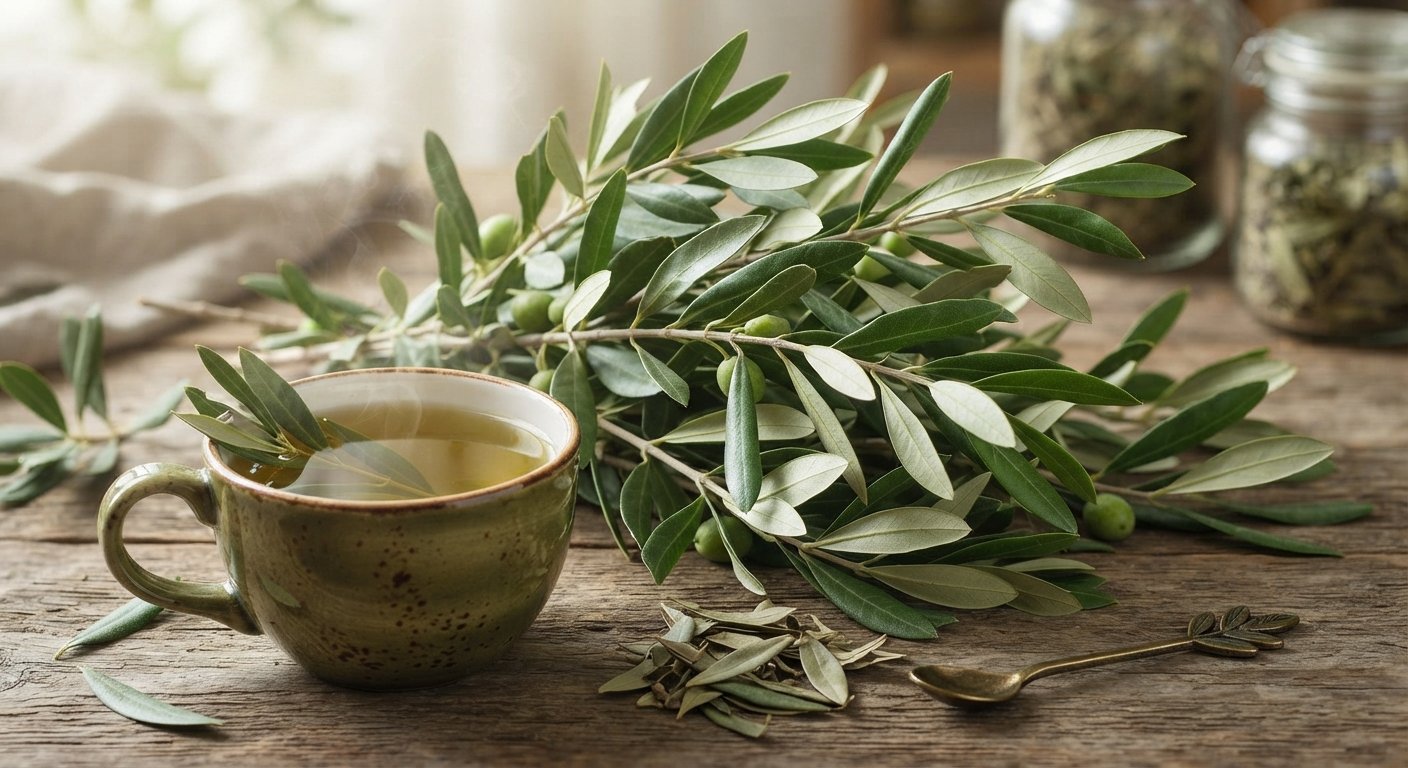
- Olive leaf decoction: Infuse a handful of dried olive leaves in simmering water for 10 minutes, to be drunk throughout the day to help regulate blood pressure and blood sugar.
- Bilberry leaf infusion: Infuse dried bilberry leaves (widely used in traditional European herbal medicine for fragile glycemic profiles) in hot water for 10 minutes.
5. The African World: Richness of Ancestral Leaves and Bark
The African continent offers plants of remarkable nutritional density:
- Moringa leaf infusion: Infuse dried moringa leaves in hot water for 10 minutes. Moringa is widely used in Africa for its dense nutritional properties and its precious help in regulating blood sugar.
- Mango leaf decoction: Boil a handful of young dried or fresh mango leaves in water for 10 minutes, a great classic of local pharmacopoeias.
- Baobab or néré bark decoction: Use traditional barks or fruits according to local uses in a gentle decoction to support metabolism and energy balance.
The Wisdom of Peoples, Listening to Oneself
All these traditions remind us of a fundamental truth: the human body possesses an extraordinary capacity for resilience when offered natural, raw tools that respect its physiology. However, these traditional remedies in no way replace rigorous medical follow-up. They act as magnificent wellness complements, to be integrated within the framework of a vibrant diet and a serene lifestyle. Take care of yourself, listen to the signals of your body, and move forward step by step on the path to your balance.
References and Ethnobotanical Sources:
- Traditional pharmacopoeia and modern research: Publications in ethnobotany and comparative phytotherapy on the use of polyphenols, saponins, and plant alkaloids derived from world pharmacopoeias in the management of glucose tolerance.
- Studies on spices, roots, and adaptogenic plants: Clinical and pharmacological research work evaluating the impact of plant extracts (Gymnema, red ginseng, bitter melon, fenugreek, and cinnamon) on blood sugar markers and insulin resistance.
- Antioxidant properties of world teas and infusions: Biochemical analyses of the action of traditional polyphenols and flavonoids on the protection of pancreatic cells against oxidative stress.
August 24, 2026
Sarah Martinez
Related articles