A Medicinal Plant with a Thousand Virtues
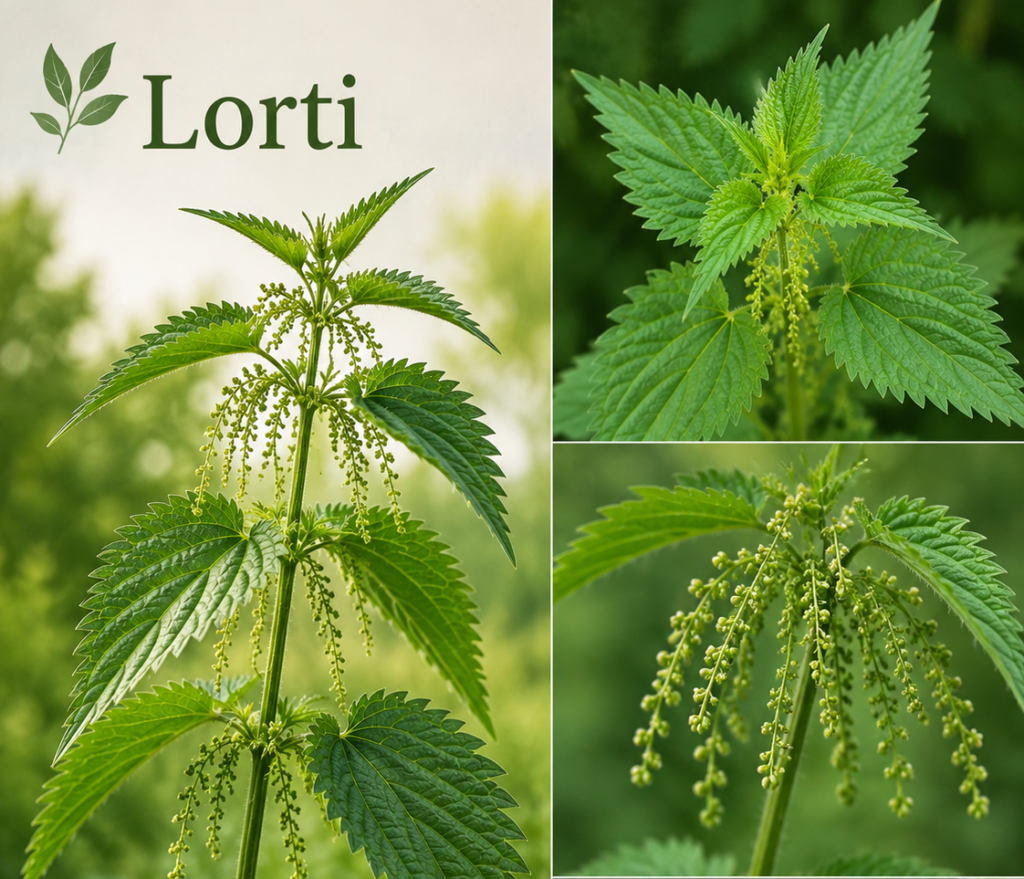
Nettle (or stinging nettle) is much more than just a 'weed' growing along paths, in gardens, forests, and fields. In the 'Plant Magic' category, I take you today to discover a plant we often pass by without seeing, yet which holds unsuspected treasures for our health.
Recognized for centuries for its exceptional therapeutic properties, this medicinal plant is a true ally. As early as the 15th century, the famous physician Paracelsus already described it as an effective medicine for relieving joint pain. Today, modern science confirms what traditional medicine has long known: nettle is an incredibly rich source of nutrients and beneficial active ingredients.
1. What is the Nettle, and what do its leaves contain?
Nettle leaves are the leaves of the Urtica dioica, known for its stinging hairs. But once processed—whether by cooking, blending, pressing, or drying—they lose their sting and reveal their true nutritional treasures.
Nutritional composition of nettle leaves
| Nutrients | Associated Health Benefits |
|---|---|
| Vitamins (C, K, A) | Boosts the immune system, supports skin and eye health |
| Minerals (iron, calcium, magnesium) | Supports bone and muscle health, energy levels, and helps fight anemia |
| Essential amino acids | Protein synthesis, cell growth, tissue regeneration |
| Antioxidant | Combating free radicals, prevention of chronic diseases |
| Fibers | Improved digestion, bowel regulation, cholesterol reduction |
Nettle also contains two key substances: acetylcholine and serotonin, which promote blood circulation and contribute to the pain-relieving effect.
2. The major health benefits of nettle
2.1. Relief of joint pain and arthritis
Nettle is particularly renowned for its action against joint inflammation. It relieves symptoms of osteoarthritis, gout, rheumatism, and arthritis.
What the studies say:
- One study showed that 27 people suffering from arthritic pain in their fingers experienced relief by applying nettle leaves to the affected area every day for a week.
- Another study revealed that the components of nettle reduce joint immobility and pain.
- A clinical trial suggests that the effect of nettle extract is almost comparable to that of non-steroidal anti-inflammatory drugs (NSAIDs).
2.2. Natural treatment for anemia
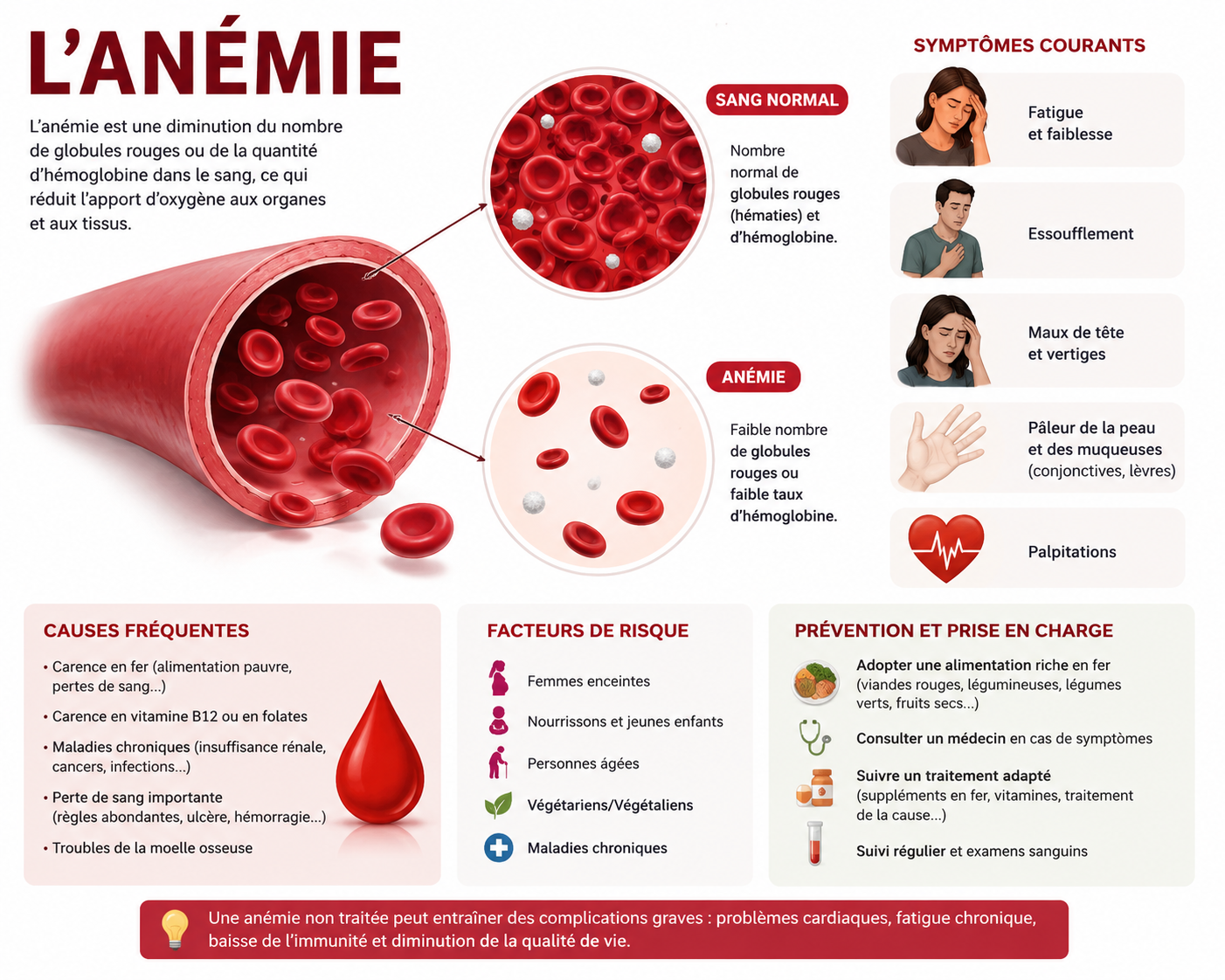
Thanks to its high iron content, nettle is an excellent remedy for anemia. Drinking nettle tea or consuming its leaves helps increase hemoglobin levels in the blood, especially in people prone to nutritional deficiencies.
2.3. Blood sugar control
Nettle leaves contain a compound called UD-1 that appears to act in a similar way to insulin. Although further research is needed, scientists believe that nettle could help control blood sugar levels in people with diabetes.
2.4. Improvement of respiratory health
Nettle is prized in folk medicine for fighting seasonal allergies and other minor respiratory illnesses. A study conducted on 98 participants using freeze-dried leaves demonstrated significant benefits against allergies.
2.5. Prostate health
Nettle leaves can be effective against certain prostate conditions, including benign prostatic hyperplasia (BPH). A clinical trial on 287 people with BPH showed a significant reduction in the volume of the enlarged prostate after treatment with nettle.
2.6. Protection against cancer
Nettle is rich in antioxidants (notably vitamin C) which reduce the number of free radicals in the body. This action can offer protection against various types of cancer.
2.7. Eye health
The vitamin A contained in nettle leaves is essential for eye health, as highlighted by many scientists.
3. Specific benefits for the digestive system
Nettle is also a valuable ally for your stomach and intestines:
| Action | Explanation |
|---|---|
| Improves digestion | Stimulates the secretion of digestive juices and nutrient absorption. |
| Relieves inflammation | Reduces inflammation of the stomach and intestines (ulcers, bloating). |
| Treats constipation | Thanks to its high fiber content, it stimulates intestinal transit. |
| Protects the liver | Helps eliminate toxins and supports liver function. |
| Reduces gas | Limits gas accumulation and improves digestive comfort. |
4. Other traditional benefits
Hair health
Nettle is a popular natural remedy for stimulating hair growth. It activates the scalp and improves local blood circulation.
Urinary health
It is traditionally used to treat water retention and urinary tract infections by cleansing the kidneys and bladder.
Immune system support
Its natural compounds stimulate the immune system and strengthen the body’s defenses against diseases.
5. How to use nettle in your daily routine?
Nettle is nature's gift that grows right at our feet. If you are lucky enough to have some in a corner of your garden or to come across it during a walk, here is how to handle it (with gloves, of course!):
- In juice Pass the washed leaves through the juicer.
- In the kitchen Chop the leaves into small pieces and add them to salads, soups, and other dishes.
- As an infusion (nettle tea) Boil 1 to 2 teaspoons of dried leaves in a cup of water for 5 to 10 minutes. Drink 2 to 3 times a day.
💡 Pressing, blending, and cooking neutralize the stinging hairs of the nettle.
6. Precautions for Use
Although nettle is generally safe, it should be used in moderation and at appropriate doses to avoid:
- Skin reactions
- Digestive irritation in case of excessive use
In case of doubt, particularly for pregnant or breastfeeding women, it is advisable to seek the advice of a healthcare professional.
Nettle is much more than just a wild plant. It is a treasure of nature: a natural anti-inflammatory, anti-anemic, liver protector, and an ally for joints, hair, the prostate, and the immune system. Easy to pick and prepare, it deserves a place of choice in your natural pharmacy and your kitchen.
In the context of anemia, its properties rich in iron and vitamin C make it a valuable ally, as we will see in the recipes and remedies dedicated to this condition.
June 13, 2026
Sarah Martinez
Related articles