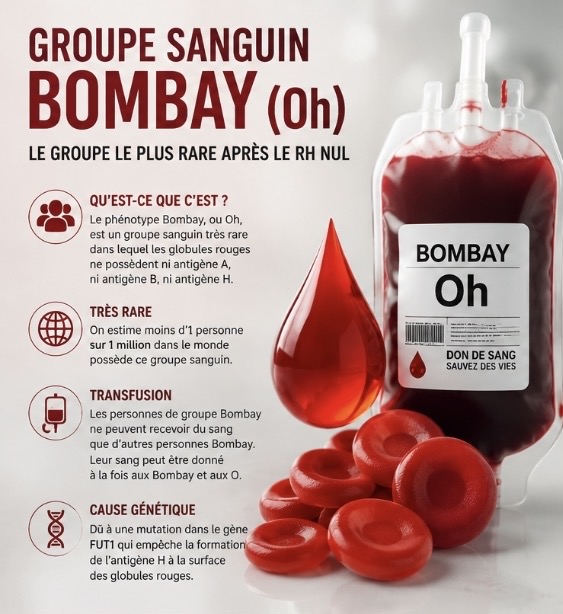

The Bombay blood group, also known as the Bombay phenotype or hh group, is one of the rarest blood types discovered to date. Identified in 1952 in Bombay (now Mumbai, India), it is distinguished from the standard A, B, AB, and O groups by a unique genetic characteristic. Because individuals with this blood type can generally receive blood only from other Bombay group donors, it remains a critical subject in transfusion medicine."
What is the Bombay blood group?
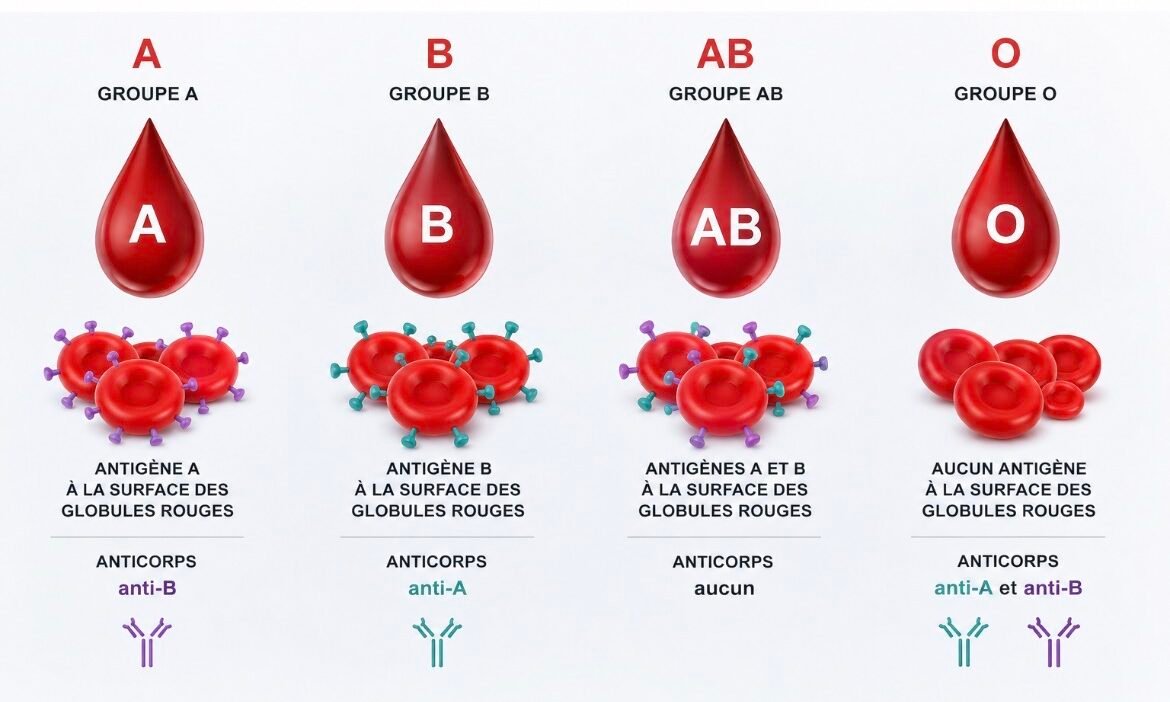
In the majority of humans, the A, B, AB, and O blood groups rely on the presence of a substance called the H antigen. In individuals with the Bombay phenotype, this H antigen is completely absent. Without this precursor, the body cannot produce either the A or B antigen. Consequently, even if a person genetically possesses the characteristics of an A or B group, their blood does not express them and instead belongs to the Bombay group.
How rare is it?
The Bombay blood group is extremely rare. Estimates indicate:
- Approximately 1 in 250,000 people in Europe.
- A higher prevalence in certain regions of India.
- Only a few thousand people are affected worldwide. This rarity significantly complicates access to blood transfusions in emergency situations.
Why is it so important in medicine?
An individual with the Bombay blood group possesses antibodies against the A, B, and H antigens. For this reason, they cannot receive A, B, AB, or even O blood. An incompatible transfusion can trigger a severe, potentially life-threatening hemolytic reaction. It is therefore critical that physicians accurately identify this blood group before any medical intervention.
Symptoms and health
The Bombay blood group is not a disease. Individuals with this blood type live normal lives: life expectancy, physical activities, and pregnancies proceed without complications, provided there is appropriate medical follow-up. The primary difficulty arises only when a blood transfusion becomes necessary (such as in the event of an accident, surgery, childbirth, or severe hemorrhage).
"Nutrition
There is no specific diet linked to the Bombay blood group. Standard health recommendations apply (a balanced diet, hydration, and limiting ultra-processed products). Diets based on blood types are not supported by any solid scientific evidence.
Personality and psychology
No study demonstrates any link between the Bombay blood group and personality traits, emotions, or intellectual abilities. Each individual is unique, regardless of their blood type.
Advice for individuals with the Bombay blood group
Specialists recommend the following:
- Always carry a medical ID card stating your blood group.
- Consider wearing a medical alert bracelet or necklace, especially when traveling.
- Inform your loved ones and primary healthcare providers about your condition. Register with local rare blood donor registries.
- Systematically disclose your blood group before any surgery. These precautions allow for crucial time savings in emergency situations.
The Bombay blood group (hh) represents a unique challenge in medicine. Although it does not affect daily life, it requires strict vigilance in the event of a transfusion. Thanks to medical advances and specialized registries, affected individuals now benefit from safer care.
April 24, 2026
Sarah Martinez
Related articles