

As we saw in our exploration of biological rhythms, autumn is a season of transition. The drop in light and the arrival of the cold send a powerful signal to your body, inviting it to slow down and prepare for winter. This change in rhythm is not an illness, but a challenge for our biological terrain, which requires special attention to maintain an optimal energy level.
There are natural, ancestral, and powerful keys, rooted in ancient traditions, to support the body through this transition. Far from seeking superficial solutions, these approaches use the fundamental laws of life and biophysics (such as heat) to revive vitality from within.
One of these gems is moxibustion.
What is moxibustion? (The principle of healing fire)
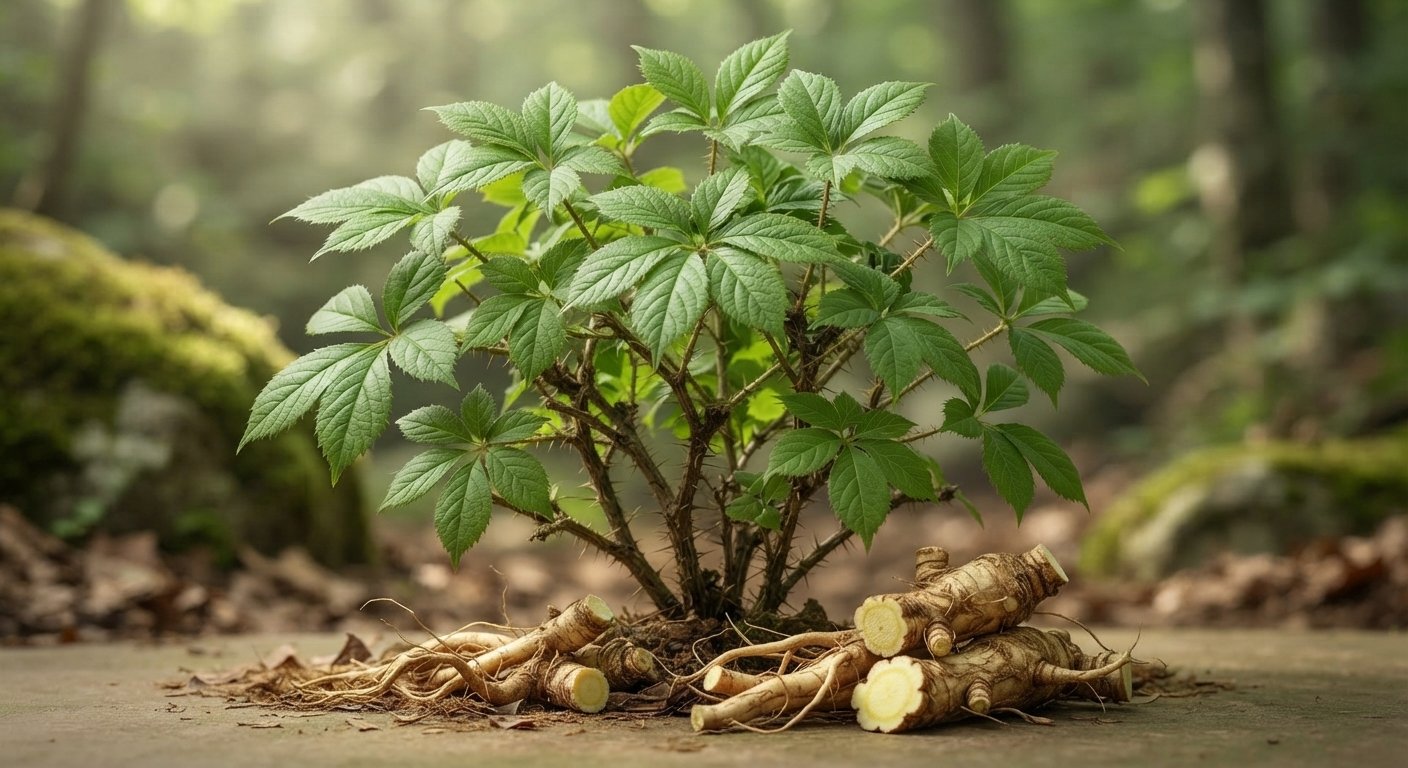
The word comes from the Japanese mokusa,which designates a preparation of dried mugwort (Artemisia vulgaris). Moxibustion is a major therapeutic technique in traditional Asian medicines that consists of using the heat generated by the combustion of this mugwort to stimulate specific points and areas of the body.
It is by no means about burning the skin. The practitioner uses a "moxa" (a stick or a cone of purified mugwort) which they ignite and bring within a few centimeters of the body.
- Mugwort (The Sovereign Plant): Mugwort is not chosen by chance. It is a plant whose virtues are recognized for its warming, circulatory, and toning properties. When burning, it diffuses a very specific and penetrating infrared heat that traverses tissues deeply.
- Targeted Heat (The Thermal "Sun"): This infrared heat acts like a true miniature "sun" applied to the area to be treated. It does not just warm the epidermis; it reaches the fascia, muscles, and, most importantly for us, the meridians and internal organs.
2. The direct link with our autumn issue: Why does it work?
According to the principles of traditional Asian medicine, the dominant element in autumn is Cold. This external cold penetrates the body and tends to slow down microcirculation and "freeze" vital energy (Qi).
The adrenal glands (the seats of our energy and our resistance to stress) are particularly sensitive to this cold, which can lead to a drop in vitality and a feeling of deep exhaustion.
Moxibustion acts here like a true internal campfire:
- It chases away external cold: The heat of the moxa traverses the lumbar region (lower back) to directly warm the kidney and adrenal zone deeply.
- It revives microcirculation: By warming the tissues, it forces blood vessels and capillaries to dilate, restoring a flow of energy and blood that allows cells to regenerate.
- It tonifies vital energy: It is the ultimate care for states of deficiency, chronic exhaustion, and sensitivity to cold.
3. How does a session unfold? (The choice of raw and natural)
There are two main families of moxibustion. We will focus on the one that respects our requirement for purity and manual method:
A) Indirect moxibustion (The most common and gentlest):
This is the preferred form in clinical practice. The practitioner uses a moxa stick (a large cigar of mugwort wrapped in paper) which they ignite.
- Position: The patient lies comfortably on their stomach or sits, exposing the area to be treated (for example, the lower back, on the midline at the navel level, or on the acupuncture points of the feet).
- Warming: The practitioner holds the lighted stick and brings the incandescent tip a few centimeters from the skin. They perform back-and-forth movements (pecking moxa) or circular movements to diffuse heat homogeneously, without ever causing an unbearable burning sensation.
- Sensation: The patient feels an extremely pleasant, deep heat that penetrates the body and radiates toward the interior of the targeted organ. The skin becomes red, a sign that microcirculation is revived.
- Duration: The session can last from 10 to 30 minutes depending on the area and the objective sought.
[ Box: Key points for autumn ] To support foundational energy and tonify the terrain, practitioners often focus on specific areas:
- Lumbar Zone (Kidney region): To directly warm the adrenals.
- Ming Men Point (GV4) : Located between the lumbar vertebrae (L2 and L3), literally the "Gate of Destiny," considered a reservoir of vital energy.
- Zu San Li Point (ST36): Located below the knee, a master point for tonifying the body's overall energy and the digestive system.
4. Precautions and contraindications to know
Although natural, moxibustion is a powerful fire technique that requires respecting certain basic rules and the recommendations of a qualified practitioner:
- Absolute contraindications: Moxibustion is formally discouraged on acute inflammation, fever, or open wounds. It is imperative not to use it on the face, the top of the skull, the genitals, or in the immediate vicinity of the eyes.
- Attention to hypertension zones: Points located on the upper part of the body will be avoided if the person suffers from severe arterial hypertension.
- Safety precautions: Moxibustion uses fire. The session must imperatively be performed by a trained professional or under their supervision, who knows how to manage combustion and ashes (which must never touch the skin). If the sensation becomes too hot, the practitioner must be notified immediately to remove the moxa.
References and ethnopharmacological validation
- The impact of moxibustion on microcirculation (Gao et al. Journal of Acupuncture and Moxibustion): :Clinical evidence by thermal imaging showing a significant and lasting improvement in local and deep blood flow after a moxibustion session.
- Traditional Chinese Medicine, Clinical Case Studies (WHO) : Reports from the World Health Organization recognizing moxibustion as an effective traditional therapy to treat various functional disorders, notably states of energy deficiency and chronic pain.
- Research on the infrared heat of moxas (Wang et al., Journal of Traditional Chinese Medicine) :Clinical studies and spectroscopic analyses validating that the combustion of mugwort emits a spectrum of infrared heat close to that emitted by the human body, explaining its deep penetration into tissues.
09/23/2026
Sarah Martinez
Related articles